20 Best Business Ideas for Stay-at-Home Moms in 2026
Business ideas for stay-at-home moms ranked by startup cost and how fast they pay. Many start under $5,000; women launched 49% of new US businesses in 2024.

 Click to zoom
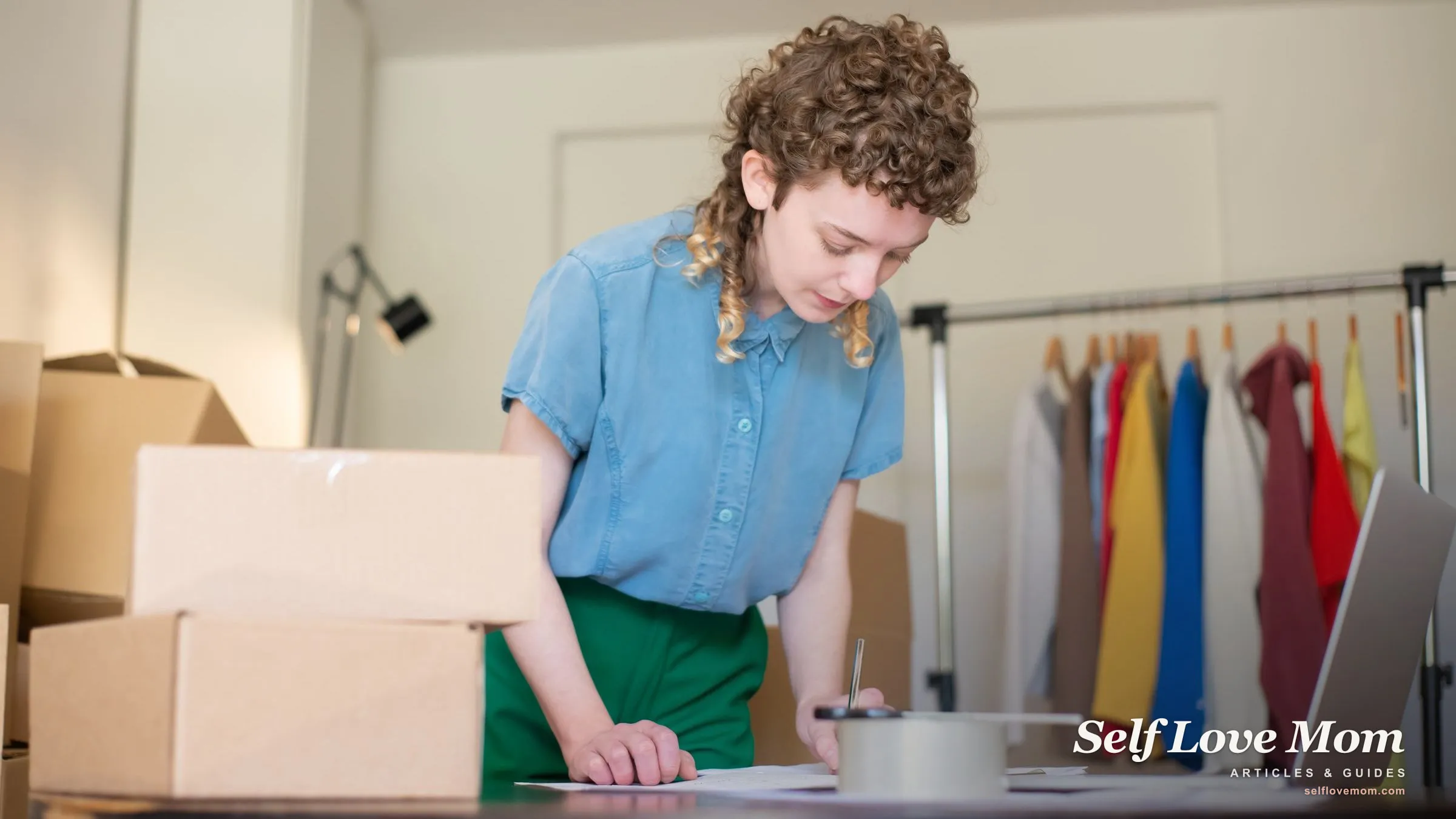
A mom packs customer orders at her home desk beside cardboard boxes, running her own small business.
The two things that stop most single moms from starting a business are time and money. The reassuring part: the best ideas for a mom at home need very little of either to begin. A whole category of home businesses starts for under the cost of a used laptop and runs on the hours your kids are asleep or at school.
This guide ranks 20 realistic business ideas by how little they cost to launch and how fast they can pay, then tells you the honest part most lists skip: what it actually costs to start, and how long before the money shows up. You are not behind for asking that. You are running a household on one income, so the math has to be real.
| Business type | Typical startup cost | Time to first income |
|---|---|---|
| Online service (writing, VA, social media) | Under $100 | Days to weeks |
| Skill or home service (baking, tutoring, pet care) | $100-$1,000 | Weeks |
| Craft or handmade product | $200-$1,000 | Weeks to months |
| Digital product / print-on-demand | Under $200 | Months |
The short version
The lowest-cost businesses for single moms are online services like freelance writing and virtual assistant work, which can start for under $100. Skill-based and craft businesses cost a little more. Women launched 49% of new U.S. businesses in 2024 (Wells Fargo), so you would be in good company. Treat it as a build, not a quick payday: about half of new businesses survive five years (BLS).
Why start a business instead of taking a job?
Because you own the schedule. A job hands you set hours; a business lets you work around school runs, naps, and sick days without asking anyone. For a single mom, that control is often worth as much as the income. And you would be joining a wave: women launched 49% of all new U.S. businesses in 2024 (Wells Fargo Impact of Women-Owned Businesses Report).
There are now 14.5 million women-owned businesses in the country, generating $3.3 trillion a year (Wells Fargo, 2024). The point is not that it is easy. It is that a home business is a proven, normal path, not a long shot. If you would rather be hired than be the boss, our guide to jobs for single moms covers that route instead.
What can a single mom start with almost no money?
Online service businesses win on cost. You sell a skill, not a product, so there is no inventory and the startup cost is often under $100 for a domain and basic tools. You can land the first client within days, and the work scales as your kids get older. These are the fastest way to turn free hours into real income.

Six low-cost online businesses worth starting:
- Freelance writing: articles and copy for businesses, paid per piece.
- Virtual assistant: email, scheduling, and admin for small companies.
- Social media management: running posts and replies for brands.
- Affiliate marketing: earning commission from links on a blog or page.
- Online courses: packaging something you know into a paid lesson.
- Dropshipping store: selling products a supplier ships for you.
Which home businesses use a skill you already have?
If you can bake, teach, or care for kids and pets, you can charge for it. These service businesses cost a little more to start, usually $100 to $1,000 for supplies or licensing, but they trade on skills you already use at home. Local demand is steady, and word of mouth between parents fills your schedule fast.
- Home baking: cakes and treats on order (check your state cottage-food rules).
- Childcare: caring for a few other children alongside your own.
- Home beauty services: hair, nails, or lashes from a home setup.
- Pet sitting and dog walking: flexible, low-cost, and in demand.
- Online fitness coaching: guiding clients by video on your hours.
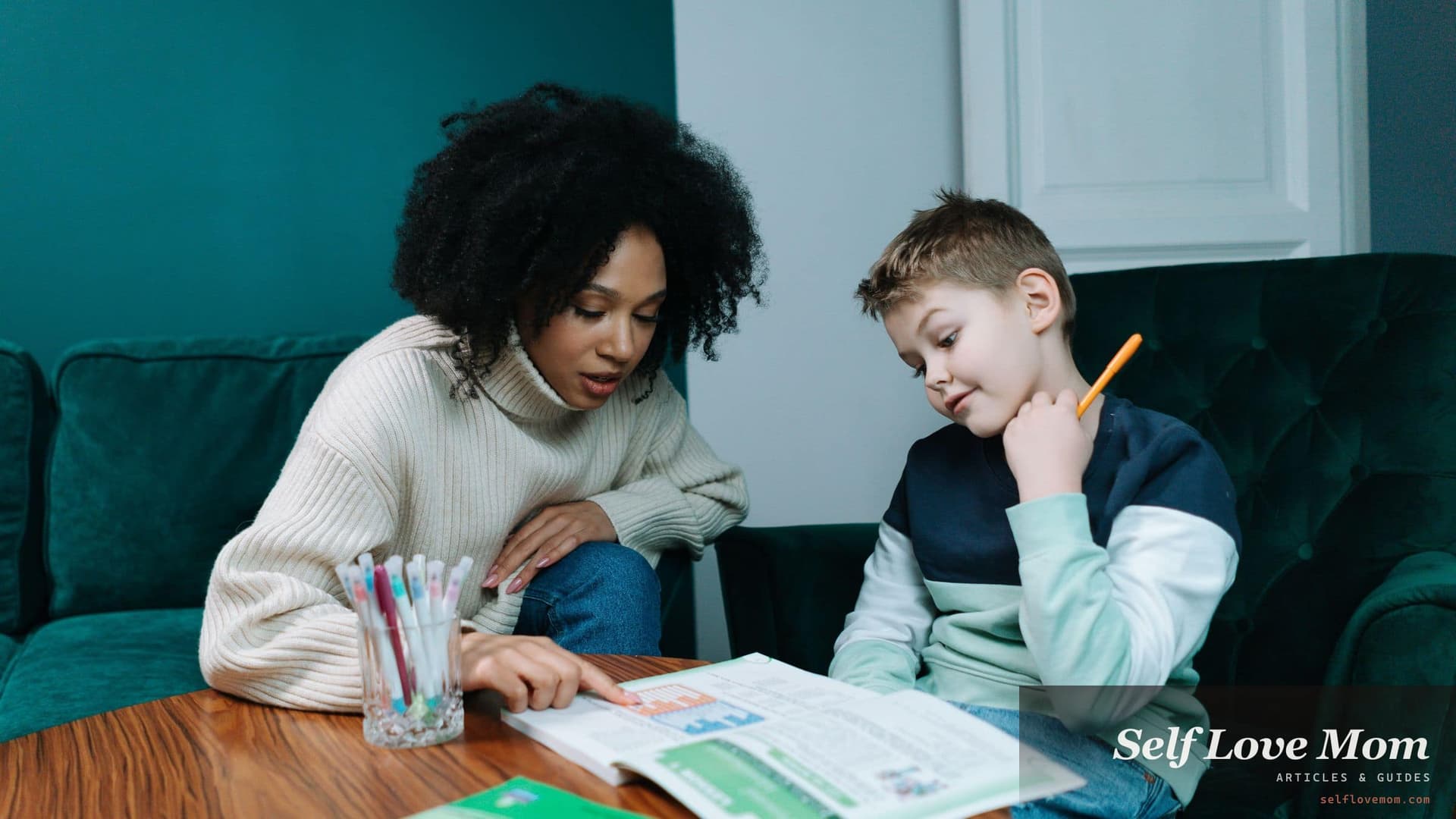
- Online tutoring: teaching a subject you know to kids or adults.

One honest note on home food and beauty work: most states require a license or a cottage-food permit. It is usually quick and cheap, but check before you sell.
What about craft and product businesses?
Crafting can pay, but it carries a cost the others do not: materials. A handmade or product business typically runs $200 to $1,000 to start, because you buy supplies before you earn a cent. The payoff is a brand that is truly yours. The risk is sinking money into inventory that sells slowly, so start small and reinvest profits.

- Handmade jewelry: earrings and necklaces sold on Etsy or locally.
- Candle making: a low-equipment craft with strong gift demand.
- Print-on-demand: your designs on shirts and mugs, printed per order (almost no inventory).
- Scrapbooking or card making: custom keepsakes and stationery.
- Gift basket business: themed baskets for holidays and events.
Print-on-demand is the safest craft entry, because the item is only made after someone buys it. That keeps your startup cost under $200 and removes the inventory gamble entirely.
How much does it really cost to start?
Less than most people fear. The Small Business Administration notes that most home-based businesses start for under $5,000, and the service ideas above start for far less. A freelance writing or VA business needs little more than the laptop and internet you likely already have, so your real cost can be close to zero.
If you do need money to launch, you have options that are not a credit card. SBA microloans run up to $50,000 and average about $13,000, aimed squarely at small and home businesses. Start lean, prove the idea pays, then borrow to grow, not the other way around.
How long until it actually pays?
Be realistic, because this is where most lists lie to you. A service business can earn in its first week, but a craft or product brand often takes months to find steady buyers. And staying power matters: about 78.7% of new businesses survive year one and roughly half reach five years (Bureau of Labor Statistics). Slow and steady beats quitting your income too soon.
So keep money coming in while you build. If you need cash this month, pair the business with the faster ideas in our guide to how to make money as a single mom. Let the business grow on the side until its income is reliable enough to lean on.
How do you start this month?
Pick one idea and take the smallest real step this week. You do not need a logo, a website, or a business plan to get your first paying customer. You need one offer, one place to post it, and the nerve to charge for it. Momentum comes from a first sale, not from planning.
- Choose one idea that fits your skills and your week
- Check any license or permit your state requires
- Set one simple price and write a one-line offer
- Post it where your customers already are (Facebook groups, Etsy, local boards)
- Land one paying customer, then reinvest and repeat
For the funding and budgeting side of getting started, our financial tips for single moms can help you set aside a small startup fund. If finding the time to work is the real hurdle, our guide to childcare assistance for single mothers can help.
Frequently asked questions
What is the cheapest business a single mom can start?
An online service business is cheapest. Freelance writing, virtual assistant work, and social media management sell a skill rather than a product, so there is no inventory and startup cost is often under $100. You can land your first client within days using only a laptop and internet.
Can I start a business with no money at all?
Close to it. Service businesses can begin with the laptop you already own, and the Small Business Administration notes most home businesses start for under $5,000. If you need funding, SBA microloans average about $13,000, aimed at small and home businesses, so you can start lean and borrow later.
How long before a home business makes money?
It depends on the type. Service businesses can earn in the first week, while craft and product brands often take months to find steady buyers. About half of new businesses survive five years (BLS), so keep other income coming in until your business proves it can pay the bills.
Do I need a license to sell food or beauty services from home?
Usually yes. Most states require a cottage-food permit to sell baked goods and a license for home beauty services. The process is generally quick and inexpensive, but check your state and local rules before you take your first paying order.
Is a business better than a job for a single mom?
It depends on what you need. A business gives you control of your schedule but takes time to pay; a job pays sooner but sets your hours. Many single moms start a business on the side of a job. If you would rather be hired, see our jobs for single moms guide or how to start with no-experience jobs.
The bottom line
You can start a real business from home without much time or money. Online services cost almost nothing and pay fast; skill and craft businesses cost a little more and build something lasting. Pick one idea, take a small step this week, keep your income steady while it grows, and let the first sale carry you to the next.
Sources
- Wells Fargo, "2024 Impact of Women-Owned Businesses Report," retrieved 2026-06-16, wellsfargo.com
- U.S. Small Business Administration, "Microloan program," retrieved 2026-06-16, sba.gov
- U.S. Small Business Administration, "Calculate your startup costs," retrieved 2026-06-16, sba.gov
- U.S. Bureau of Labor Statistics, "Business Employment Dynamics, survival of private-sector establishments," retrieved 2026-06-16, bls.gov
✻ Share this article
✻ About the contributor · Folio N°.180

Written by Subha
Psychologist and writer covering the topics that matter most to single moms, money, mental health, and the small daily rituals that keep a family running. Every article is research-backed and edited four times before publish.
- Articles
- 180
- Desks
- 05
- Edited
- 4×
More from this writer
✻ Edited four times before publish