Counseling for Single Mothers: Find Real Help
Single mothers face psychological distress at nearly 2x the rate of married moms. A research-backed guide to counseling, plus how to get it free or low-cost.

 Click to zoom
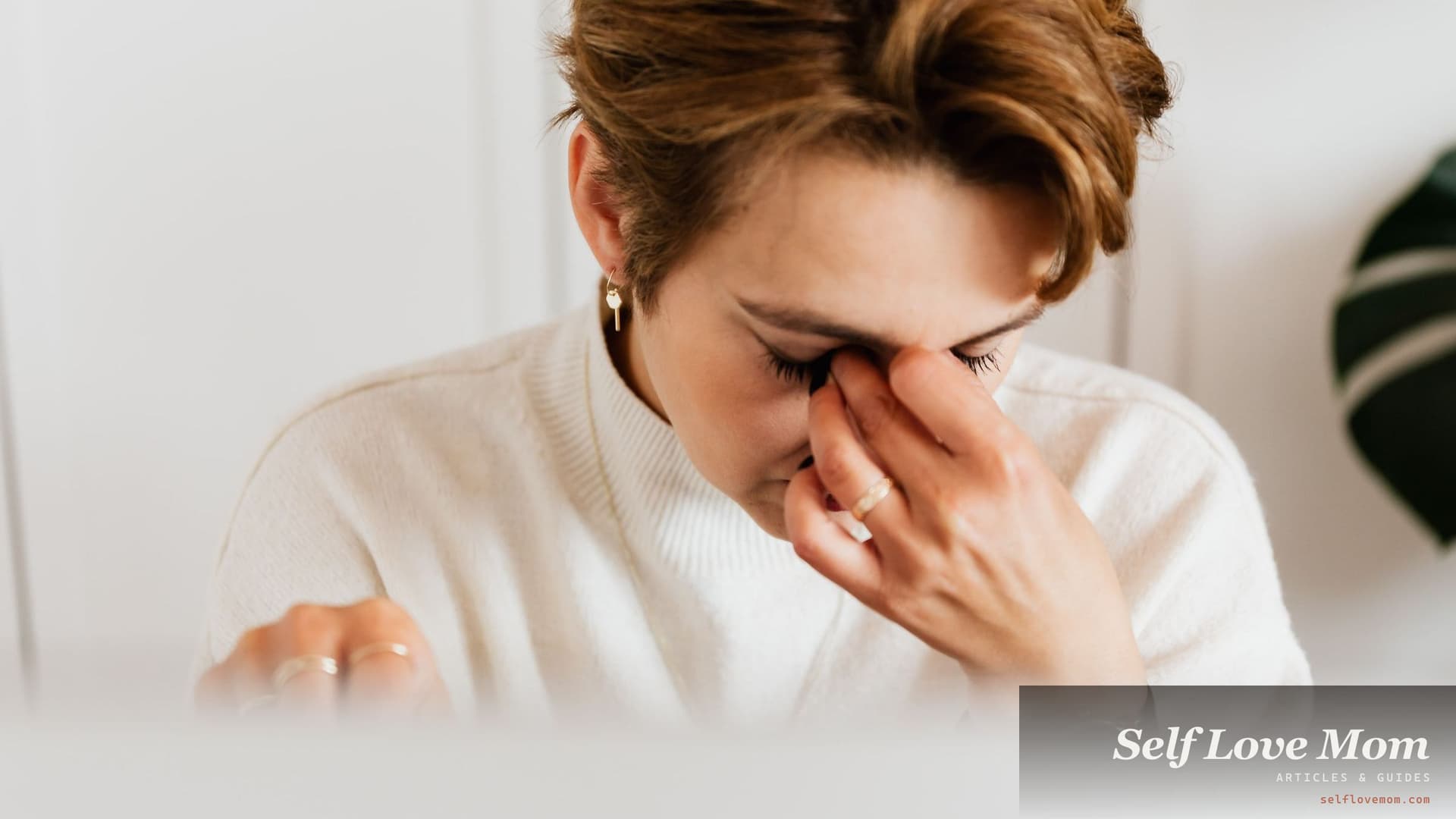
A single mother pauses with a warm drink by a sunlit window, a calm moment while seeking counseling and support.
Counseling for single mothers often gets treated as a luxury, something to get to once the money, the childcare, and the free time all line up. For most single moms, that day never quite arrives. So the support gets postponed, and the stress keeps compounding.
Here is why it deserves a place near the top of the list, not the bottom. Single mothers report psychological distress at a much higher rate than married mothers: 32% experience moderate or severe distress, compared with 19% of married moms, and they are roughly three times as likely to reach the severe range (Brookings, 2016 to 2018 data). That gap is a response to real pressure, not a personal weakness.
This guide is built on that research, not on pep talks. It covers what therapy actually does for a single mom, the types worth knowing, how to get counseling free or low-cost when money is tight, how to find a good fit, and how to tell ordinary stress from depression that needs real help.
| The mental load is measurable | Money makes it harder | Help is more gettable than it looks |
|---|---|---|
| 32% of single mothers report psychological distress, vs 19% of married moms (Brookings) |
38% of single mothers live below the poverty line, vs 9% of married moms (Brookings) |
1 in 4 adults with frequent mental distress went without care due to cost (Mental Health America) |
The short version
Counseling for single mothers is a practical tool for a heavy, unusually solo load, not an indulgence. Single moms carry higher distress and higher financial strain at the same time, which is exactly why cost cannot be the reason to skip it. Free and low-cost routes exist: sliding-scale clinics, Open Path, university training clinics, 988, and nonprofit programs. Pick the type that fits your life, find a counselor you actually click with, and treat it as maintenance, not a last resort.
Why does counseling help single mothers?
Because it gives structure to a load most people never carry alone. Single mothers report psychological distress far more often than married mothers, 32% versus 19%, and about three times the rate of severe distress (Brookings). A counselor helps turn that raw pressure into workable coping skills instead of leaving it to pile up.
Good counseling for single mothers does specific things. It teaches stress and anxiety management, untangles the guilt and self-doubt that single motherhood tends to feed, and builds parenting strategies for hard behavior or big transitions like divorce. None of that requires you to be in crisis first. It works best as steady maintenance.
What types of counseling are available to single mothers?
Four main formats, and the right one depends on your schedule, budget, and what you are working through. Group formats in particular have strong evidence: structured group therapy measurably reduces depressive symptoms, partly by breaking the isolation single parents so often report (PubMed meta-analysis). Here is how the options compare.
1. Individual therapy
One-on-one sessions built around your situation. Approaches like cognitive behavioral therapy (CBT) target the spiraling thoughts behind stress, while solution-focused work sets small, reachable goals. Best when you want private, tailored support.
Format: 1-on-1 · Most private · CBT is well-studied for anxiety and low mood
2. Group counseling
A therapist-led circle of other single moms facing similar challenges. You trade coping strategies and feel less alone, and it usually costs less than individual sessions. Best when isolation is a big part of the weight.
Format: peer group · Lower cost · Directly targets isolation
3. Family counseling
Brings your children into the room to work on communication and adjustment, especially around divorce or a new family shape. Best when the household dynamic itself is the thing that needs support.
Format: parent + kids · Rebuilds home dynamics · Good post-divorce
4. Online and telehealth
Video or chat sessions that fit around work and childcare, with no commute and no sitter. Best for tight schedules, rural areas, or nights after the kids are asleep. Research finds it works about as well as in-person for depression and anxiety.
Format: remote · Most flexible · No childcare needed
How can single mothers get counseling for free or low-cost?
This is the part most guides skip, and it matters most. Cost is a top reason people go without care: nearly half of the 61.5 million U.S. adults with a mental illness got no treatment in 2024, with affordability a leading barrier (Mental Health America). For a single mom on one income, price is often the whole obstacle, so start with the routes built for exactly that.
- Sliding-scale community clinics. Community mental health centers and federally qualified health centers (FQHCs) set fees by income, sometimes down to a few dollars. Find one through SAMHSA's free treatment locator at findtreatment.gov.
- Open Path Collective. A nonprofit network offering sessions at $40 to $70 (and $30 with a student intern) with no insurance, after a one-time membership. Built for people who earn too much for aid but cannot afford full fees.
- University training clinics. Graduate psychology programs run low-cost or free clinics where supervised trainees see clients. Quality is closely overseen, and waitlists are often shorter than you expect.
- 988 and warmlines. The 988 Suicide and Crisis Lifeline is free and staffed 24/7 by call or text. Warmlines offer free, non-emergency peer support for the hard-but-not-crisis nights.
- Postpartum Support International. If your struggle is tied to a recent birth, PSI runs a free helpline and free online support groups led by trained facilitators.
- Employer EAP and Medicaid. Many jobs include an Employee Assistance Program with several free sessions. Medicaid covers mental health care, and single-parent income often qualifies.
- Nonprofit and community programs. Local women's centers, faith groups, and organizations like The Life of a Single Mom point you to free counseling plus practical help with bills or housing.
How do you find the right counselor?
Fit matters as much as format, and it is worth a little upfront effort. Filtered directories make this faster: Psychology Today, Inclusive Therapists, and Open Path let you screen by cost, specialty, and whether someone works with single parents. A good match is a stronger predictor of progress than the specific method used.
Screen before you commit. Most therapists offer a free 15-minute consult, so ask whether they have worked with single mothers, how they handle scheduling around kids, and whether they offer sliding-scale or telehealth. If it does not feel right after two or three sessions, switching is normal and expected, not a failure. If your child is still a baby, the vetting questions in our guide to finding a therapist for new moms apply directly.
What is single mom stress syndrome, and when is it depression?
Single mom stress syndrome is not a clinical diagnosis, but the phrase names something real: the chronic, grinding overload of carrying earning, parenting, and the household alone with no built-in backup. It shows up as exhaustion, irritability, and a sense of running on empty. Ordinary rest and support usually take the edge off.
Depression is different, and it needs treatment. Watch for a low or hopeless mood most of the day for more than two weeks, loss of interest in things you used to enjoy, trouble sleeping or eating, or thoughts that your family would be better off without you. Those are medical signs, not a lack of willpower. Call your provider, dial 988, or see our guide to stress management for moms for first steps.
What can single moms do between counseling sessions?
Small, repeatable habits keep the work going once a week is not enough. Therapists routinely assign between-session practices because the change happens in daily life, not only in the room. The aim is a low bar you can clear on a bad day, not a perfect routine you abandon by Wednesday.
Keep it concrete. Protect a five-minute daily reset, move your body for ten minutes, text one friend, and try a free app like a guided breathing tool on the hardest days. Our guides to self care for new moms and therapy for new moms go deeper, and a single mom support group adds people who genuinely get it.
Frequently Asked Questions
Is there really free counseling for single mothers?
Yes. Sliding-scale community clinics and FQHCs set fees by income, university training clinics offer low-cost sessions, and 988 plus warmlines are free 24/7. Open Path lists sessions from $30 to $70, and many employers include free EAP sessions. Start at SAMHSA's findtreatment.gov.
What is single mom syndrome?
It is an informal term, not a diagnosis, for the chronic overload of handling income, parenting, and home life alone without backup. It shows as burnout, irritability, and running on empty. If low mood or hopelessness lasts more than two weeks, that points to depression and is worth a call to a provider.
How do I cope as a single mother?
Build support on purpose rather than waiting for it. Line up practical help, protect small daily resets, and use counseling for single mothers or a support group for the emotional load. Single mothers report distress at nearly twice the rate of married moms (Brookings), so structured support is a reasonable response, not an overreaction.
Does online counseling work as well as in-person for single moms?
For most single mothers, yes. Research finds telehealth therapy works about as well as in-person care for depression and anxiety, and it removes the two biggest barriers single moms face: childcare and commute time. Sessions after the kids are asleep make consistent care realistic.
How does single motherhood affect mental health?
It raises the risk of distress, largely through financial strain and isolation rather than parenting alone. Some 38% of single mothers live below the poverty line versus 9% of married moms (Brookings), and money worry is a major driver of stress. Counseling and community support both measurably help.
Sources
- Brookings Institution, "Single Mothers Experience High Rates of Psychological Distress; the Safety Net Can Help," brookings.edu (2016 to 2018 NHIS data, retrieved 2026-07-10).
- Mental Health America, "The State of Mental Health in America 2024," mhanational.org (2024, retrieved 2026-07-10).
- U.S. Census Bureau, "National Single Parent Day," census.gov (2024, retrieved 2026-07-10).
- Open Path Psychotherapy Collective, "Affordable In-Office and Online Psychotherapy," openpathcollective.org (retrieved 2026-07-10).
- Substance Abuse and Mental Health Services Administration, "FindTreatment.gov," samhsa.gov (retrieved 2026-07-10).
- McDermut, W. et al., "The Efficacy of Group Psychotherapy for Depression: A Meta-analysis," via PubMed (retrieved 2026-07-10).
✻ Share this article

✻ About the contributor · Folio N°.180

Written by Subha
Psychologist and writer covering the topics that matter most to single moms, money, mental health, and the small daily rituals that keep a family running. Every article is research-backed and edited four times before publish.
- Articles
- 180
- Desks
- 05
- Edited
- 4×
More from this writer
✻ Edited four times before publish