Alabama Single Mom Grants: $344 Cash, SNAP and Child Care
Grants for single mothers in Alabama, checked: $344 cash for a mom of two, SNAP up to $808, ALL Kids, WIC, LIHEAP, Step Up and the child care wait list.

 Click to zoom
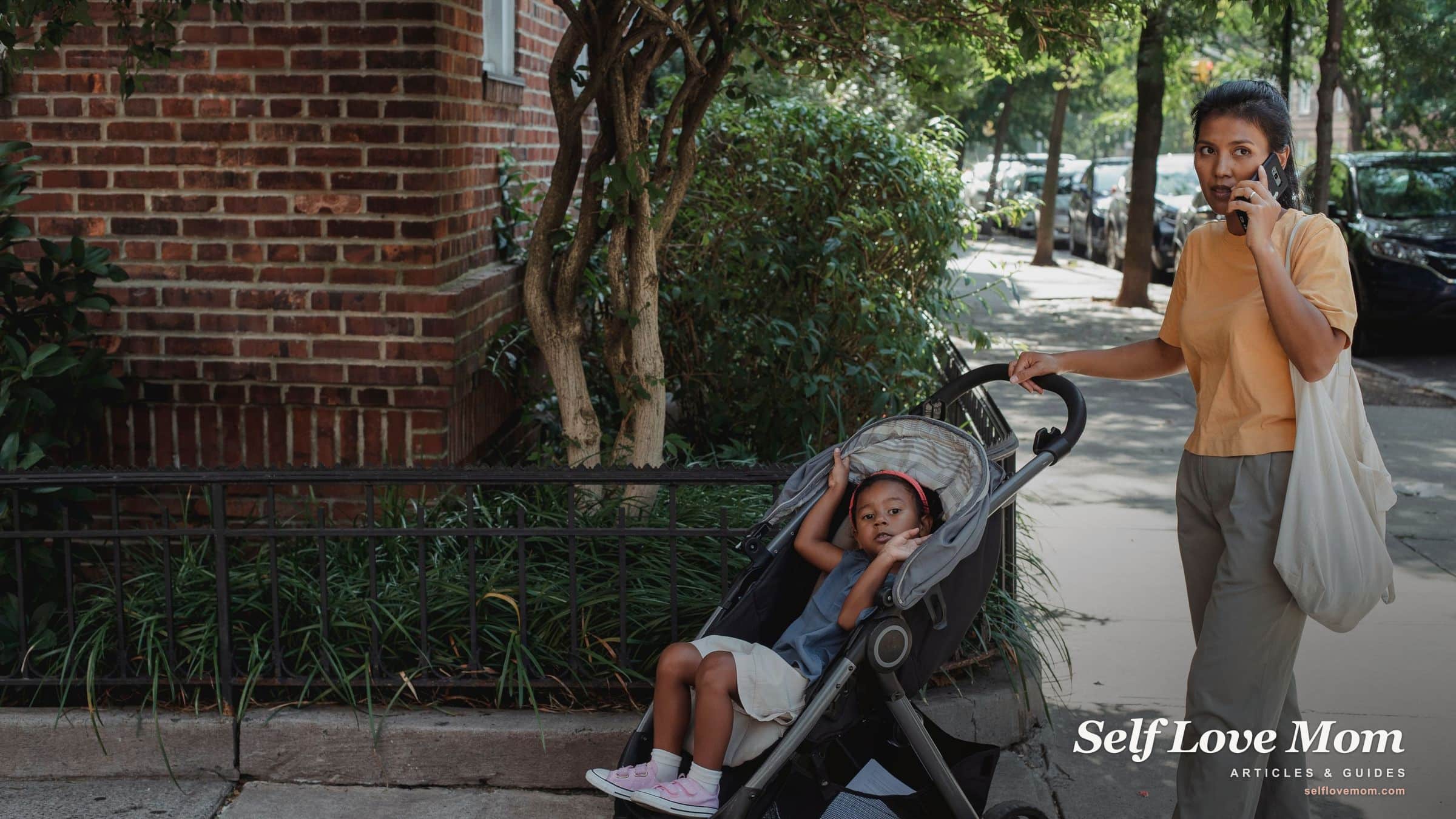
A single mom in Alabama carries her young daughter through a sunlit park, a quiet bonding moment behind the day-to-day costs Alabama's 8+ grant and aid programs in 2026, Family Assistance, SNAP, AHFA Step Up, child care subsidy, and ASAP, help cover.
A mother raising two children in Alabama with no paycheck can get $344 a month from Family Assistance, the state's cash program. That is about 15% of the 2026 federal poverty line for a family of three, which works out to $2,277 a month. The cash check alone rarely keeps a household afloat.
The money that matters sits in programs with much higher income limits: SNAP food benefits, ALL Kids health coverage, WIC, energy help and college grants. This guide to grants for single mothers in Alabama is built around those limits, so you can see which doors stay open as your pay goes up.
Two things changed this year. The child care subsidy has put new families on a wait list since May 8, 2026, and on October 5, 2026, DHR began moving SNAP and cash applications to a new system called ACES, starting in five counties. Federal programs that work the same everywhere are collected in the national list of grants for single moms.
| Alabama number | What it means for a mom with two kids | Set by |
|---|---|---|
| $344 | monthly Family Assistance check with no other income | DHR state plan, October 2024 |
| $808 | the most SNAP can add per month from October 1, 2026 | USDA |
| $3,331 | gross monthly income ceiling to join the child care subsidy wait list | DHR, June 1, 2026 |
| $7,218 | monthly income ceiling for the kids on ALL Kids | ADPH |
| $5,000 | top ASAP college grant per school year | ACHE |
| $10,000 | the most Step Up puts toward a down payment | AHFA |
What $344 a Month Buys, and the Rules Attached
Alabama's TANF state plan, in effect since October 1, 2024, sets the monthly maximum for Family Assistance at $304 for a family of two, $344 for three and $392 for four, in Attachment E of the plan DHR posts. The money lands on an EBT card each month.
That is a 60% raise from the old $215 for three, and the first since 2002, as the Alabama Reflector reported. Older guides that still quote $215 are using the superseded plan.
Eligibility uses the same number. The DHR eligibility pamphlet lists a payment standard of $344 for a family of three, and your countable income has to stay under it. Before earnings count, DHR subtracts 30% for work expenses plus what you pay for child care. If the math leaves a check under $10, nothing is paid.
An adult can draw the cash for five years in a lifetime. You are expected to join the JOBS work program, look for work while the application is pending, cooperate with child support and take drug screenings when asked. Child support paid for your children goes to the state while you receive the check.
Report household changes within 10 days, and expect a full review at least every 12 months. If DHR denies or cuts your case, you can ask for a hearing in writing within 60 days, and the hearing can be held by phone.
Where the cash application goes
DHR takes Family Assistance applications through OneAlabama, on the website or the mobile app, or on paper at the DHR office in your county. Since September 25, 2026, families in Dallas, Elmore, Montgomery, Talladega and Tuscaloosa counties apply through ACES or the county office instead. You then have a private interview with a caseworker, in person or by phone.
Alabama's Income Ladder for a Family of Three
Each program measures income its own way, but lining up the monthly ceilings for a household of three shows where help starts and stops. A mom earning $2,500 a month has already lost the cash check, yet she can still qualify for SNAP, WIC, LIHEAP, the child care list and ALL Kids for her children.
The steepest drop is health coverage for the mother herself. The KFF parent eligibility tracker puts Alabama's January 2026 Medicaid limit for parents at 18% of the poverty line, about $410 a month for three people. Her children stay covered at far higher pay.
Read the ladder before you decide you earn too much for grants for single mothers in Alabama. Only the cash program and parent Medicaid cut off below $500 a month. The 2026 HHS poverty guideline for three, $27,320 a year, sits under most of these ceilings.
Food Money: SNAP, WIC and a Smaller Grocery Tax
SNAP can pay up to $808 a month for a household of three and $1,023 for four from October 1, 2026, per the USDA allotment table. What you actually receive shrinks as your net income rises, so a working mom often gets less than the top amount.
Alabama uses broad-based categorical eligibility. The USDA state chart shows no asset limit and a gross income test of 130% of poverty, which is $2,960 a month for three people. Savings in the bank do not knock you out.
Federal rules require SNAP to reach households in an emergency within seven days and most others within 30 days, under 7 CFR 273.2. Paper applications are available at every county DHR office, and the DHR food assistance page carries the printable form and the online link.
WIC serves pregnant women, breastfeeding mothers, women within six months of a birth, and children under five. The ADPH income table, in force from June 1, 2026, to June 30, 2027, caps a family of three at $4,212 a month. A SNAP, Medicaid or Family Assistance case counts as proof of income.
To start WIC, call your county health department for an appointment, or ADPH at (888) 942-4673. Bring ID for you and the child, proof of address and proof of income. What the food packages hold is laid out in the WIC guide for single mothers.
One Alabama change helps with cash spent at the store. Under Act 2025-305, the state sales tax on groceries fell from 3% to 2% on September 1, 2025, per the Department of Revenue notice. City and county taxes on food still apply, so the total depends on where you shop.
Where to Apply This Fall: The ACES Switch
On October 1, 2026, DHR announced that SNAP and cash cases are moving to the Alabama Combined Eligibility System, or ACES. The pilot opened October 5 in Montgomery, Elmore, Tuscaloosa, Dallas and Talladega counties only. DHR has set a tentative statewide launch for January 2027.
If you live in a pilot county, use the ACES self-service portal. The ACES help page says you can apply without creating an account and lists a helpdesk at 877-269-6191. In the other 62 counties, keep using the current channels until DHR tells you to switch. For the grants for single mothers in Alabama that DHR runs, the move changes the paperwork, not benefit dates or amounts.
Have these ready before any application
Social Security numbers for everyone on the case, proof of what each person in the home earned last month, a lease or bill showing your street address, and any child support records. DHR can ask you to prove each fact you report.
Child Care Help Now Has a Wait List
DHR posted on May 15, 2026, that demand forced a wait list for child care assistance. Every new application received on or after May 8, 2026, goes on that list. As money frees up, DHR pulls families off it in the order they applied.
Priority groups still get in, including parents in the JOBS program, families who left TANF less than 30 days ago, relative caregivers on TANF, DHR Early Head Start families, and children in foster care or protective services. If you are on Family Assistance and assigned to JOBS, say so when you apply.
The subsidy overview page has not shown a downloadable application since March 2025, so you apply through the agency that serves your area. Applications run through the Child Care Management Agency for your region; DHR uses four agencies across nine regions.
To join the list, gross income for a family of three must be $3,331 a month or less, per the June 1, 2026, child care fact sheet. Below $2,221 the parent fee is $0. Above that, it runs $18 to $30 per child per week. Enrolled families keep help up to $3,775 a month.
Keeping a slot means staying in work, school or training, staying under the income limit and checking your child in and out on the mobile attendance app. Other ways to trim the bill while you wait are in the child care assistance guide.
Health Coverage: Kids Qualify Where Moms Do Not
ALL Kids is Alabama's CHIP plan for children under 19, run by the Department of Public Health. Its income guidelines, effective February 1, 2026, cover children in a family of three through Medicaid up to $3,324 a month and through ALL Kids up to $7,218, with premiums in the upper bands.
Benefits include checkups, sick visits, prescriptions, dental, vision, mental health care and hospital stays. You can apply online or print a paper application from the ADPH site. Questions go to ALL Kids customer service at 1-888-373-5437. ALL Kids asks families to pay any premium owed before they renew.
The gap with the mother's own limit, about $410 a month, explains a common surprise: a working mom finds her children fully covered while she has no Medicaid at all.
Power Bills: LIHEAP Runs Through Community Action Agencies
ADECA holds the federal LIHEAP money, yet its LIHEAP page states that ADECA itself takes no applications. Instead, each county is served by a Community Action Agency, and many of them book appointments online. Income has to be at or below 150% of poverty, which is $3,415 a month for three.
ADECA's draft plan for October 1, 2026, through September 30, 2027, sets heating help between $280 and $580 and cooling help between $320 and $520. An agency can add $50 for homes with children under 18. Income is checked on the month before you apply.
Of the grants for single mothers in Alabama on the income ladder above, LIHEAP has the third-highest ceiling. Children count in two more ways. A household with anyone under 18 is treated as vulnerable, which earns early application periods. A home with a child can also qualify for crisis help, which agencies must resolve within 48 hours, or within 18 hours when a life is at risk.
Rent Vouchers and the Step Up Down Payment
Housing Choice Vouchers come through local public housing agencies, not the state. The HUD tenant page says your share of rent is usually 30% of adjusted monthly income and can reach 40%. HUD also advises getting on more than one agency's list, since waits are long.
For moms ready to buy, the Alabama Housing Finance Authority's Step Up program pays 4% of the sales price, up to $10,000, toward the down payment. That money is a 10-year second mortgage paired with a 30-year fixed first loan. Income can reach $172,800 regardless of household size. AHFA services both loans itself, so you write one check a month.
The hurdles are a credit score of at least 640, total debt at or below 45% of income, and a homebuyer education course. Renters weighing other options can compare them in the housing assistance guide.
Already own an older house with a failing roof or furnace? Repair and weatherization money is covered in the home repair grants guide.
College: Pell Plus Two State Grants
The federal Pell Grant tops out at $7,395 for the 2026-27 award year, according to Federal Student Aid. Your school can apply it to tuition and fees, pay it to you directly, or split it both ways.
The Alabama Student Assistance Program adds $300 to $5,000 a year in need-based aid for undergraduates who live in Alabama. Nearly 80 Alabama schools take part. The FAFSA is the only application, and ACHE asks students to file it beginning October 1 each year.
The Alabama Student Grant Program works differently. It is not based on need, pays up to $3,000 a year, and only students at 11 private colleges can use it, among them Samford, Stillman, Miles, Oakwood and Faulkner. It has its own form, returned to the school's financial aid office.
Among grants for single mothers in Alabama, these three all start from the FAFSA, so file it before anything else. How Pell interacts with other aid is explained in the Pell Grant guide.
Free Legal Help and One Number for Everything Else
Legal Services Alabama gives free civil legal help to low-income residents from offices in Anniston/Gadsden, Birmingham, Dothan, Huntsville, Mobile, Montgomery, Selma and Tuscaloosa. Its staff handles protection from abuse, custody, child support and denied benefits such as SNAP or Family Assistance. Call 866-456-4995 or apply online.
If DHR denies or cuts Family Assistance, get advice before the 60-day window to request a hearing closes. What a legal aid office can and cannot take on is covered in the legal aid guide.
When you do not know which office to call, 211 Connects Alabama is free and answers around the clock. Dial 2-1-1, text your ZIP code to 898-211, or call 888-421-1266 for food, housing, health care and job help near you.
Living near a state line does not let you collect from two states. DHR bars anyone convicted of giving a false address to draw help from two states at once for ten years. If you are planning a move, the Mississippi guide lists that state's programs. The Tennessee guide does the same.
Questions Alabama Moms Ask Before Applying
Can I get Family Assistance if I work part time?
Possibly. DHR subtracts 30% of your earnings plus your child care costs, then compares what is left with $344 for a family of three. If you land under that and the check would be at least $10, you qualify. With no child care costs, gross pay of about $490 a month or more puts you over.
Is the child care wait list the same in every county?
Yes. DHR's May 2026 notice covers every new application statewide received on or after May 8, 2026, and fills open slots first come, first served. The exceptions are DHR's priority groups, including JOBS participants and families within 30 days of leaving TANF. Apply anyway to hold your place in line.
Do I need an ACES account if I live outside the pilot counties?
Not yet. ACES started on October 5, 2026, only in Montgomery, Elmore, Tuscaloosa, Dallas and Talladega counties, with a tentative statewide launch in January 2027. Everyone else keeps applying through the current channels. DHR scheduled letters to pilot-county clients for October 8, and benefit dates stay the same.
Does SNAP count savings in Alabama?
No. Because Alabama uses broad-based categorical eligibility, USDA lists no asset limit for most households. What matters is income: gross pay at or below 130% of poverty, which is $2,960 a month for a family of three. Your benefit then shrinks as net income rises, up to $808 a month for three.
Which grants for single mothers in Alabama never have to be repaid?
Family Assistance, SNAP, WIC, LIHEAP, Pell, ASAP and the Alabama Student Grant Program are not loans. ALL Kids is coverage, though upper bands carry a premium. Step Up is the exception: its down payment money is a 10-year second mortgage, so you repay it alongside the main loan.
Sources
- Alabama Department of Human Resources. TANF State Plan, effective October 1, 2024 (Attachment E, monthly maximum payment standards, p. 23). dhr.alabama.gov (retrieved November 14, 2026)
- Alabama Reflector. Millions in federal aid for Alabama low-income families remains unused (May 29, 2024; benefit raised from $215 to $344). alabamareflector.com (retrieved November 14, 2026)
- Alabama Department of Human Resources. Family Assistance Program Summarized Eligibility Requirements, DHR-FAD-595 (payment standards, five-year limit, hearings). dhr.alabama.gov (retrieved October 17, 2026)
- State of Alabama. OneAlabama (Family Assistance application and document submission). one.alabama.gov (retrieved October 17, 2026)
- KFF. Medicaid Income Eligibility Limits for Parents (Alabama, January 2026). kff.org (retrieved October 17, 2026)
- U.S. Department of Health and Human Services, ASPE. Poverty Guidelines (2026, $27,320 for three). aspe.hhs.gov (retrieved October 17, 2026)
- USDA Food and Nutrition Service. SNAP Cost-of-Living Adjustment (FY 2027 maximum allotments). fna.usda.gov (retrieved October 17, 2026)
- USDA Food and Nutrition Service. Broad-Based Categorical Eligibility state chart (Alabama, 130% gross, no asset limit). fna.usda.gov (retrieved October 17, 2026)
- eCFR. 7 CFR 273.2, Office operations and application processing (30-day and seven-day timelines). ecfr.gov (retrieved October 17, 2026)
- Alabama Department of Human Resources. Food Assistance (SNAP applications). dhr.alabama.gov (retrieved October 17, 2026)
- Alabama Department of Public Health. WIC Income Eligibility Guidelines (June 1, 2026, to June 30, 2027). alabamapublichealth.gov (retrieved October 17, 2026)
- Alabama Department of Revenue. State Sales and Use Tax Rate Reduced on Food Beginning September 1, 2025 (Act 2025-305). revenue.alabama.gov (retrieved October 17, 2026)
- Alabama Department of Human Resources. Alabama DHR Announces New Computer System for SNAP and TANF (October 1, 2026). dhr.alabama.gov (retrieved October 17, 2026)
- Alabama Department of Human Resources. Alabama Combined Eligibility System (ACES pilot counties, helpdesk). dhr.alabama.gov (retrieved October 17, 2026)
- Alabama Department of Human Resources. Change to Child Care Subsidy Approval Process (wait list from May 8, 2026). dhr.alabama.gov (retrieved October 17, 2026)
- Alabama Department of Human Resources. Child Care Subsidy Overview (Child Care Management Agencies). dhr.alabama.gov (retrieved October 17, 2026)
- Alabama Department of Human Resources. Child Care Fact Sheet, June 1, 2026 (income scales and weekly fees). dhr.alabama.gov (retrieved October 17, 2026)
- Alabama Department of Public Health. ALL Kids Monthly Income Guidelines (effective February 1, 2026). alabamapublichealth.gov (retrieved October 17, 2026)
- Alabama Department of Economic and Community Affairs. Low-Income Home Energy Assistance Program (150% of poverty, Community Action Agencies). adeca.alabama.gov (retrieved October 17, 2026)
- Alabama Department of Economic and Community Affairs. FY 2027 LIHEAP State Plan, draft (benefit levels, crisis timelines). adeca.alabama.gov (retrieved October 17, 2026)
- U.S. Department of Housing and Urban Development. Housing Choice Vouchers, tenants (rent share and waiting lists). hud.gov (retrieved October 17, 2026)
- Alabama Housing Finance Authority. Step Up (income limit, 4% up to $10,000, credit and debt rules). ahfa.com (retrieved October 17, 2026)
- Federal Student Aid, U.S. Department of Education. Federal Pell Grants (2026-27 maximum $7,395). studentaid.gov (retrieved October 17, 2026)
- Alabama Commission on Higher Education. Alabama Student Assistance Program (ASAP, $300 to $5,000). ache.edu (retrieved October 17, 2026)
- Alabama Commission on Higher Education. Alabama Student Grant Program (up to $3,000, participating schools). ache.edu (retrieved October 17, 2026)
- Legal Services Alabama. Free civil legal aid (offices and service areas). legalservicesalabama.org (retrieved October 17, 2026)
- 211 Connects Alabama. Statewide information and referral line. 211connectsalabama.org (retrieved October 17, 2026)
✻ Share this article

✻ About the contributor · Folio N°.239

Written by Subha
Writer and researcher covering the topics that matter most to single moms, money, mental health, and the small daily rituals that keep a family running. Every article is research-backed and checked against official sources.
- Articles
- 239
- Desks
- 05
- Edited
- 4×
More from this writer
✻ Checked against official sources