25 Best Hobbies for Women Over 50: Free & Low-Cost (2026)
Picking up a new hobby after 50 is one of the most powerful things you can do for your health, happiness, and sense of purpose. A 2025 Journal of Global Health study of 79,464 adults across 19 countries found that women over 50 who regularly engage in hobbies have a 29% lower ris

 Click to zoom
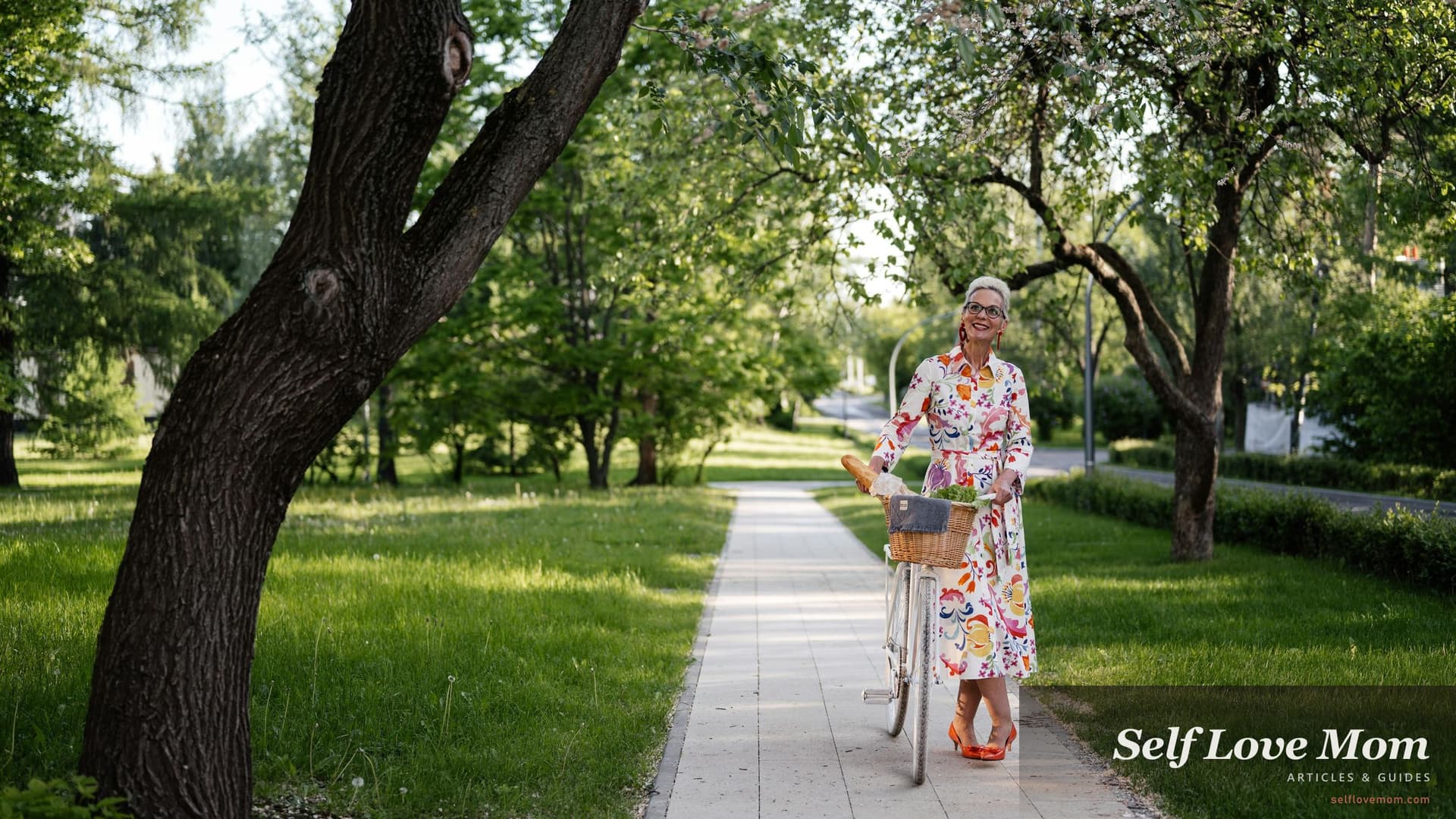
Smiling older woman walking her bicycle along a sunlit park path, the kind of unhurried outdoor pace researchers identify as one of the most protective hobbies for women over 50.
Picking up a new hobby after 50 is one of the most powerful things you can do for your health, happiness, and sense of purpose. A 2025 Journal of Global Health study of 79,464 adults across 19 countries found that women over 50 who regularly engage in hobbies have a 29% lower risk of all-cause mortality than those without hobbies. The research is unusually consistent, and the practical answer is short: don't wait for the perfect time, start small this week.
This guide covers 25 evidence-anchored hobbies for women over 50, grouped by category (creative, outdoor, social, mind-sharpening, arthritis-friendly), with the science behind each one. Most are free or under $30 to start. None require prior experience.
| Hobbies covered | Categories | Mortality-risk reduction | Authority sources |
|---|---|---|---|
| 25 | 5 (creative, outdoor, social, mind, arthritis-safe) | 29% lower (any) · 55% lower (sustained) | JOGH, Nature Medicine, UCLA Health, CDC, APA |
Quick Summary
Hobbies for women over 50 are not just about staying busy. They help you rediscover joy, lift your mood, keep your mind active, and give you something to look forward to each week. Painting, walking, or gardening can all measurably reduce mortality and cognitive decline. You don't need experience, expensive gear, or a clear plan. Just start with one thing this week and build from there.
Why Hobbies Matter More After 50
A Nature Medicine study of 93,263 adults across 16 countries found that hobbies for older women were linked to significantly fewer depressive symptoms, higher happiness scores, and better life satisfaction compared to women without hobbies. A UCLA Health summary of a large Japanese leisure-activities study of 50,000 adults over 65 found that dementia risk drops as the number of hobbies increases, with gardening, handicrafts, and travel among the most protective.
The 50s tend to bring big changes all at once. Kids leave. Work shifts. Relationships evolve. A hobby gives back something stable: a skill that sharpens your thinking, a circle of people, and a sense of forward motion. Even adding one new activity makes a measurable difference.
Mortality risk reduction: 29% (any hobby) · 38% (new hobby) · 55% (sustained engagement) · Source: Journal of Global Health 2025
Best Creative Hobbies for Women Over 50

Two or more hours of creative hobbies per week is linked to the greatest improvements in wellbeing across all hobby types (UCLA Health). You do not need talent, prior experience, or anything expensive. These five are all genuinely beginner-friendly.
Hobbies in this section: 5 · Average cost: $0-$30 to start · Weekly time: 2+ hours · Pillar: creative
- Painting and Watercolour. Watercolour is more forgiving than people expect. You do not need to know how to draw. Drop-in studio sessions exist in most cities, supplies included, you just show up. A lot of women who start in their 50s wish they had not waited so long.
- Knitting and Crocheting. The repetitive motion lowers cortisol the way meditation does. Easy on the body, cheap to start, and you finish with something tangible (a scarf, a dishcloth, a blanket you made yourself).
- Photography. Photography slows you down. You start noticing things you have walked past for years: afternoon light, the expressions people make when they are not looking. Your phone is more than enough to start.
- Pottery and Ceramics. Clay quiets the mind differently than screens. Community college beginner courses usually run under $100 for a full semester, materials and kiln time included.
- Journaling and Memoir Writing. Free. Done at your kitchen table at 6 am or on your phone at lunch. Writing your own story, even a page at a time, is one of the most underrated ways to process the kind of transitions that come with midlife.
Best Outdoor Hobbies for Women Over 50

Two hours a week in nature produces measurable improvements in mental and physical health. Outdoor hobbies in your 50s also build the balance, cardiovascular strength, and joint mobility that matter more and more through your 60s and 70s. These five are a good place to start.
Hobbies in this section: 5 · Equipment: minimal · Weekly time: 2+ hours outdoors · Pillar: outdoor & physical
- Hiking. One of the most searched hobbies for women over 50, and for good reason. All you need is decent shoes and somewhere to walk. The AllTrails app filters by difficulty and distance, so you can start easy and build.
- Gardening. Showed up among the top dementia-protective hobbies in research on adults over 65 (UCLA Health summary). Light physical work, planning ahead, and watching something grow because of your effort.
- Pickleball. The go-to sport for women in their 50s and 60s. Social energy of team sports without the joint stress of tennis. Courts are appearing in parks and gyms everywhere. Shorter learning curve than most expect.
- Walking Clubs. If you are already walking alone, a club just adds people. Meetup.com and Facebook Groups have organised morning walks in most cities. Free, no gear, and the regular group is what makes you show up.
- Birdwatching. As slow as a morning in your backyard or as adventurous as a day trip to a nature reserve. The Merlin Bird ID app turns any outdoor time into something more engaging, and most birding clubs welcome beginners.
Best Social Hobbies for Older Women

Loneliness is one of the most underreported health risks for women over 50. Social hobbies that involve a regular group setting consistently produce stronger mental health outcomes than solo activities because you get the benefit of the hobby AND the benefit of human connection at the same time. The best hobbies for women over 50 are often just the ones that happen alongside other people.
Hobbies in this section: 5 · Setting: group / community · Weekly time: 1-3 hours · Pillar: social & relational
- Book Clubs. Three things at once: a reason to read, a group of women with at least one thing in common, and something to look forward to every month. Local libraries host free clubs. Zoom clubs work for women who would rather not leave the house.
- Dance Classes. Salsa, ballroom, line dancing, Zumba. Good for your heart, your coordination, and your social life simultaneously. Classes tend to have an energy that makes it easy to walk in not knowing anyone and leave feeling like part of a regular group.
- Cooking Classes. Learning a new cuisine in a class with other people is a completely different experience from cooking it alone at home. Community kitchens and culinary schools run affordable one-night workshops.
- Volunteering. One of the most consistently rewarding hobbies for retired women because it ties each week to something larger. Women who volunteer regularly report lower rates of depression across nearly every study that has measured it.
- Card Games (Bridge, Canasta). Cognitive challenge, weekly social contact, and genuine laughter in one low-cost activity. Research on adults aged 60 to 80 found that regular card players maintained sharper cognitive function than those who did not.
Best Mind-Sharpening Hobbies for Women Over 50

The mind-sharpening hobbies that actually work are the ones that challenge the brain with something genuinely new: a skill it has not learned, a language it has not processed, a problem it has not solved. That novelty drives neuroplasticity in a way passive entertainment does not. What you build mentally in your 50s pays off in your 70s.
Hobbies in this section: 5 · Mechanism: novelty-driven neuroplasticity · Weekly time: 30+ minutes daily · Pillar: cognitive
- Learning a Musical Instrument. Piano or ukulele activates more areas of the adult brain at once than almost any other activity: memory, coordination, hearing, and emotional processing all happening simultaneously. Even 30 minutes a day shows measurable cognitive improvements within weeks.
- Learning a New Language. A second language in adulthood delays the onset of cognitive decline by an average of four to five years (Bialystok et al., 2007, replicated 2014). Duolingo makes this free, flexible, and habit-forming.
- Puzzles and Brain Games. Daily crosswords and Sudoku are linked to better memory retention and faster processing speed in older adults. Good options, but best used as a warm-up alongside something more socially engaging.
- Genealogy Research. Absorbing in a way that is hard to explain until you try it. It is a mystery that only you have the specific combination of family knowledge and curiosity to solve. Historical thinking, research skills, and personally meaningful discoveries.
- Online Courses. Coursera, edX, and Khan Academy now offer thousands of free university-level courses. Most women over 50 who enroll in one report it as the single most satisfying intellectual habit they have built, more than any single book or podcast.
Best Hobbies for Women Over 50 with Arthritis

By the time women reach their 60s, more than 4 in 10 have some form of doctor-diagnosed arthritis (43.2% of women aged 60 to 69, CDC FastStats). A lot of women assume this rules out most hobbies. It does not. The Arthritis Foundation recommends both low-impact movement and creative engagement as non-drug approaches to managing symptoms, and these five options are built around exactly that.
Hobbies in this section: 5 · Joint impact: low · Endorsed by: Arthritis Foundation · Pillar: body-friendly
- Swimming and Water Aerobics. Water reduces the load on joints by up to 90%. YMCAs and community pools offer senior aqua classes specifically designed for low-impact movement.
- Yoga and Tai Chi. Both build strength in the muscles around arthritic joints, which reduces pain over time rather than just covering it up. Chair yoga exists for difficult pain days. Libraries and senior centres now run free weekly sessions.
- Watercolour and Seated Art. Requires a light touch and is done entirely at a table, so it works even with hand, wrist, or shoulder arthritis. Ergonomic brushes with wider grips exist for limited grip strength.
- Photography. Self-paced by nature. Walk as far as you want. Stop when you need to. Sit on a bench when your joints say so. The only equipment you actually need is your phone, and you already have that.
- Raised-Bed Gardening. Regular gardening involves kneeling and bending, which is painful with arthritis. Raised beds bring everything to a comfortable standing height. Lightweight adaptive tools with padded handles are sold at most garden centres.
How to Start New Hobbies Without Overthinking It
Most adults who pick up a new hobby say improving their mental health is a primary motivation, and survey after survey reports the same hurdle: the hardest part is simply beginning. After the first session, most people wonder why they waited so long. Four practical rules make starting easier.
Rules below: 4 · Goal: lower the friction of starting · Tip: commit to four sessions, not forever · Based on: behavioural science + behaviour-change research
- Try before you commit. Most local recreation centres, libraries, and community colleges offer free trial classes. Do not buy equipment until you have done at least one session and know you want to keep going. Gear is easy to buy later.
- Start low-cost. Borrow from the library, find free tutorials online, or join a walking group before spending a cent. Invest more once you know something actually sticks.
- Go where people already are. Meetup.com, Facebook Groups, and local Nextdoor pages are full of hobby groups looking for new members. You will not be the only beginner, and the social side is what makes a hobby last.
- Give it four sessions. Almost every new hobby feels slightly awkward in the first two sessions. Four sessions is enough time to get past that and feel whether it actually suits you.
Frequently Asked Questions
What hobbies are best for women over 50 with no experience?
Walking clubs, journaling, gardening, and watercolour painting are the easiest entry points: no prior skills, minimal cost. Most libraries and community centres run free beginner sessions. Try before you spend a dollar on anything. The 2025 Journal of Global Health data found that even women who started just one new hobby cut their mortality risk by 38% compared to peers without hobbies.
How often do I need to practice a hobby to actually see benefits?
Two or more hours a week of creative or arts-based hobbies is where research consistently finds real improvements in wellbeing (UCLA Health summary). For other hobby types, consistency matters more than session length. A 45-minute session three times a week beats one long session on Sunday every time.
What are the best hobbies for women over 50 with arthritis or joint pain?
Gentle options like swimming, yoga, watercolour painting, raised-bed gardening, and photography work well because they keep you active without putting stress on joints. The Arthritis Foundation specifically endorses creative and low-impact activities like these for symptom management, and water aerobics reduces joint load by up to 90% compared to land-based exercise.
How do I actually stick with a new hobby after 50?
Attach it to something you already do. A walk before coffee. Knitting during a TV show. Twenty minutes of journaling before bed. This works because you are not rearranging your life, you are adding something small to what is already there. Start easy and make it hard to say no to yourself.
How to find a hobby after 50?
Start by thinking about what you used to enjoy, even things that seemed small or "not serious." Then try a few simple activities in your area or online and pay attention to what feels fun, relaxing, or makes you lose track of time. That last part is usually the sign you have found the right one.
Sources
- Journal of Global Health, 2025: 79,464 adults across 19 countries on hobby engagement and all-cause mortality.
- Nature Medicine: 93,263 adults across 16 countries on hobbies and depressive symptoms in older adults.
- UCLA Health summary: Japanese leisure-activities study of 50,000 adults over 65 on hobby diversity and dementia risk.
- CDC FastStats, Older Persons Health: arthritis prevalence by age and gender (43.2% of women aged 60-69).
- Bialystok et al., 2007: bilingualism and delayed onset of cognitive decline (replicated 2014, 2017).
- AllTrails: filter trails by difficulty for beginner-friendly hikes.
- Merlin Bird ID: free Cornell Lab app for backyard birdwatching identification.
✻ Share this article
✻ About the contributor · Folio N°.221

Written by Subha
Writer and researcher covering the topics that matter most to single moms, money, mental health, and the small daily rituals that keep a family running. Every article is research-backed and checked against official sources.
- Articles
- 221
- Desks
- 05
- Edited
- 4×
More from this writer
✻ Checked against official sources