Programs for Single Moms: 12 That Help in 2026
29.5% of single-mother families live in poverty (Census, 2025). Here are 12 programs for single moms, by need: food, housing, childcare, cash, and school.

 Click to zoom
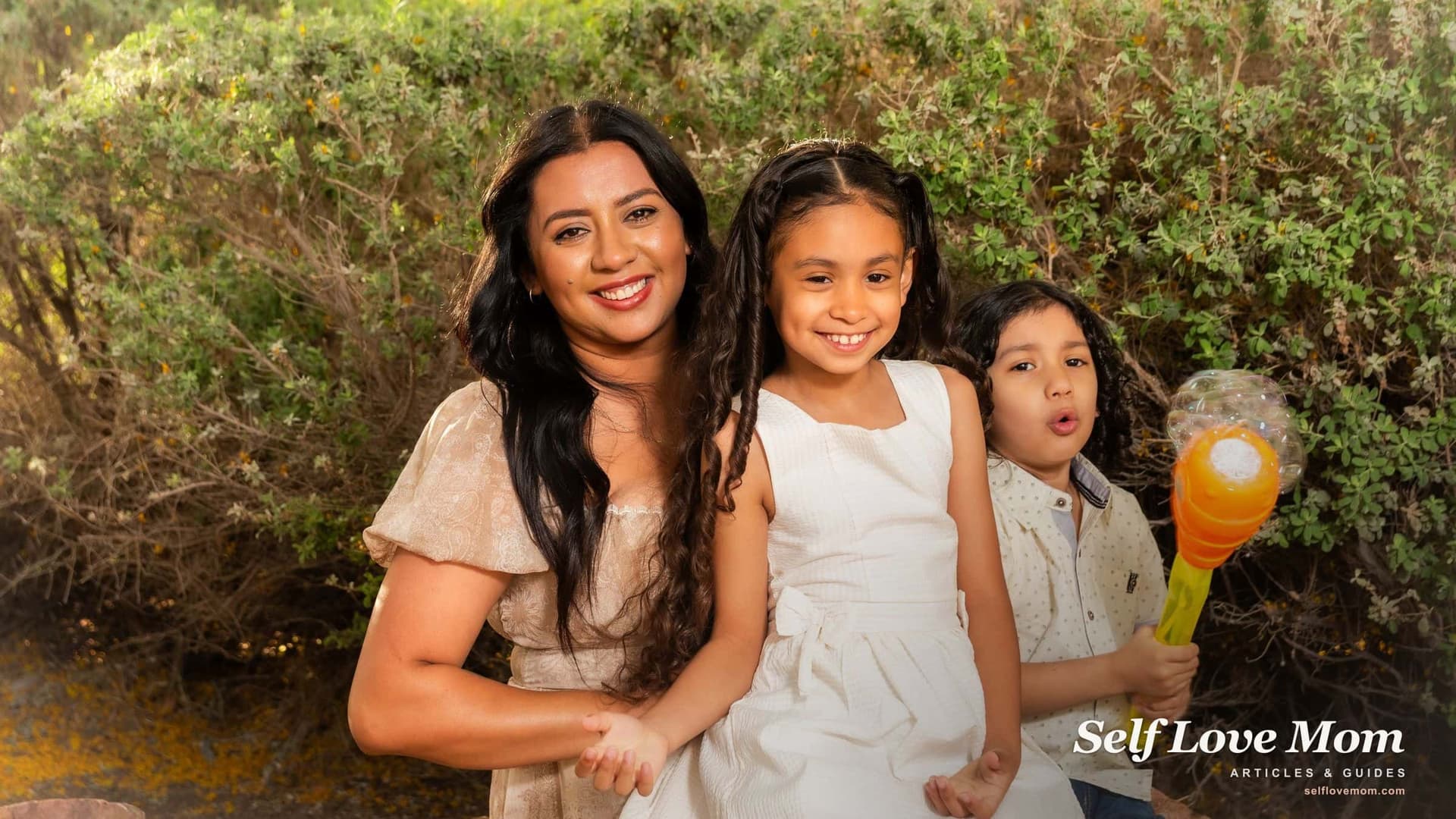
A single mom hugs her smiling daughter outdoors, hopeful about the programs and benefits that can support their family.
If you are a single mom, there is real financial help out there, but it is spread across a dozen different agencies. This guide brings the main government programs for single moms together in one place, sorted by what you actually need: food, housing, childcare, cash, healthcare, utilities, and school. And this is a real struggle for so many families: in 2025, 29.5% of single-mother families with children lived in poverty (U.S. Census Bureau).
And you are truly not alone in this. In 2025, about 8.7 million families with children were headed by a mother with no spouse at home (U.S. Census Bureau). So these programs were built with families just like yours in mind. Honestly, the hard part is rarely whether you qualify. It is just knowing what help is out there and how to actually get it.
For each program below, you get what it does, who qualifies, and where to start. Where we have a deeper guide on a topic, we link to it. Apply early and stack what you qualify for, because these programs are designed to work together.
| The need | The number | The program lane |
|---|---|---|
| Single-mother families in poverty | 29.5% (2025) | Cash and food aid: TANF, SNAP |
| Childcare cost per child | 8% to 19.3% of income | Subsidies, Head Start, tax credits |
| Unmarried moms in the workforce | 78.1% (2025) | Work supports and the EITC |
| Maximum Pell Grant | $7,395 (2026-27) | Education funding |
| Single-mother families with kids | 8.7 million (2025) | A large eligible base |
The short version
For food, apply for SNAP and WIC. For rent, look to Section 8, and for childcare, to subsidies and Head Start. For cash, there is TANF and tax credits, and for health, Medicaid and CHIP. For utilities, apply for LIHEAP, and for school, the Pell Grant. You can claim several at once. So start with the USAGov benefit finder or give 211 a call, get your papers together once, and apply for everything you can.
What programs help single moms with food?
Three federal programs cover most food needs, and SNAP is the biggest one. For FY2027 (October 1, 2026 through September 30, 2027), SNAP pays a single mom with two kids up to $808 a month, or up to $1,023 for a family of four (U.S. Department of Agriculture), paid on an EBT card. WIC adds food for pregnant moms and little ones under 5, and free school meals cover the school year.
To get SNAP, apply through your state agency. For a mom with two kids, gross income generally has to stay under $2,960 a month in FY2027 (USDA SNAP eligibility). WIC works a little differently: it runs through local clinics and is open to families at or below 185% of the poverty line, and WIC for single mothers explains how it all works.
Your kids' school office can sign them up for free or reduced meals in just a few minutes. And in summer, when school meals stop, SUN Bucks (Summer EBT) puts $120 per child onto a card in participating states (USDA), so that gap does not hit your grocery budget.
What programs help single moms with housing?
The Housing Choice Voucher, also known as Section 8, is the main housing help for single moms. It comes from HUD, the federal housing department. With a voucher, you generally pay 30% of your adjusted monthly income toward rent, and the program covers the rest (HUD). If voucher waitlists are long, public housing and USDA rural rental assistance are solid backups.
Apply through your local Public Housing Agency, and get on more than one waitlist, since they open and close often. If you are facing eviction, emergency assistance for single mothers covers the fastest options, and it is worth asking about rapid rehousing help, too. And renting now does not close the door on buying later, so home loans for single moms show you that path when you are ready.
How can single moms get help paying for childcare?
Childcare is often a single mom's biggest bill, so this is where the savings are largest. Care prices ran 8% to 19.3% of median family income per child in 2018 county data (U.S. Census Bureau), but the Child Care and Development Fund subsidizes care for working low-income parents, and Head Start provides free early education. The Child and Dependent Care Credit then refunds a share at tax time.
Apply for the subsidy (often called CCAP) through your state, and contact Head Start directly since they enroll on their own calendar. Starting with tax year 2026, the Child and Dependent Care Credit covers up to 50% of up to $3,000 in care costs for one child or $6,000 for two or more, with the rate falling as income rises (IRS). The guide to childcare assistance for single mothers walks through eligibility and the application step by step.
What cash assistance can single moms get?
Two systems put money directly in your hands: monthly cash aid and tax credits. TANF gives short-term monthly cash to very low-income families, though the amount varies widely by state. At tax time, the Child Tax Credit is worth up to $2,200 per child, with up to $1,700 of it refundable (IRS), and the Earned Income Tax Credit adds more for working parents.
Apply for TANF through the same state office that handles SNAP, often in one combined application. Claim the tax credits when you file, even if you owe nothing, because large parts are refundable. To see how cash aid and food aid fit together, the explainer on TANF versus food stamps clears up the common confusion.
What health coverage can single moms get?
Medicaid and CHIP cover health care for most low-income single-mom households, often at no monthly cost. Medicaid covers eligible parents and children, and CHIP covers kids in families that earn a little too much for Medicaid. Both matter because a big medical bill can undo a tight budget, and single mothers are about twice as likely to report depression or anxiety symptoms as partnered mothers (2024 research review).
Apply any time through your state Medicaid agency or HealthCare.gov; there is no limited enrollment window for Medicaid or CHIP. If you are pregnant, coverage is often broader and faster, so apply as soon as you can. Mental-health visits are covered too, which makes this one of the most underused supports on the list.
What programs help with utilities, phone, and internet?
Utility help keeps the lights and heat on when money is tight. LIHEAP pays a portion of heating and cooling bills and can help in a shutoff emergency, with amounts set by each state (U.S. Department of Health and Human Services). The Lifeline program discounts phone or internet service for eligible low-income households so you stay connected to work and school.
Apply for LIHEAP through your state or local energy-assistance office, and ask about Weatherization Assistance to cut future bills. Sign up for Lifeline through an approved provider. The guide to LIHEAP cooling assistance shows how to use it in a heat emergency, not just in winter.
What education funding can single moms get?
School is one of the surest paths off assistance, and federal aid makes it reachable. The Federal Pell Grant pays up to $7,395 for the 2026-27 year and never has to be repaid (Federal Student Aid). The FSEOG grant, federal work-study, and state and private scholarships stack on top for students with the most need.
Start with the FAFSA, because it unlocks Pell, FSEOG, work-study, and most state aid in one form. File it as early as you can each year. The guide to Pell Grants for single mothers shows how the award is set. For state and private money on top, see college grants for single mothers.
How do single moms apply for these programs?
Apply in one coordinated push rather than one program at a time. Start with the USAGov benefit finder, which points you to the programs and offices that fit, or dial 211 to reach a local navigator who knows your state's process. Most single moms qualify for several programs at once, and applying together saves repeating the same paperwork.
Gather your documents once: ID, Social Security numbers, proof of income, rent or mortgage, and your kids' birth certificates. Apply for everything you might qualify for, since being slightly over the line on one program rarely affects another. If you are denied, appeal, because errors are common. The single mom resources hub sorts help by how fast it pays. For local offices and limits, start with a state guide like grants for single mothers in Texas.
How to start claiming programs this week
- Use the USAGov benefit finder, or call 211 for a local navigator.
- Gather ID, Social Security numbers, proof of income, and kids' birth certificates.
- Apply for SNAP and TANF together at your state benefits office.
- Get on two or more Section 8 or public-housing waitlists.
- Apply for the child care subsidy and contact Head Start directly.
- Enroll your kids and yourself in Medicaid or CHIP.
- File the FAFSA if school is on your horizon, and claim every tax credit at filing.
- If any program denies you, appeal. Errors are common.
Frequently asked questions about programs for single moms
What assistance can single mothers get?
Single mothers can get food aid (SNAP, WIC, school meals), rental help (Section 8, public housing), childcare subsidies and Head Start, cash aid (TANF), tax credits (Child Tax Credit, EITC), health coverage (Medicaid, CHIP), utility help (LIHEAP), and education funding (Pell). With 29.5% of single-mother families in poverty (Census, 2025), many qualify for several at once.
What benefits can I get as a single mother?
Start with the big five: SNAP for food, Medicaid for health, a child care subsidy, TANF for cash, and the Child Tax Credit, worth up to $2,200 per child. Add Section 8, LIHEAP, and Pell as they apply. The fastest way to see your full list is the USAGov benefit finder or a 211 call.
How do single moms apply for government programs?
Apply through your state for SNAP, TANF, Medicaid, and child care subsidies. Use the USAGov benefit finder to see what fits and 211 to find local help. Gather ID, income proof, and your kids' documents once, then apply for everything you might qualify for. File the FAFSA for school aid and claim tax credits when you file.
What is the income limit for single-mom assistance programs?
Limits vary by program and state, but most use a multiple of the federal poverty level. For a mom with two kids, SNAP's usual gross line is $2,960 a month in FY2027 and WIC's is $4,212. Medicaid and child care subsidies often allow more, so apply even if you think you earn too much.
Are there programs that give single mothers immediate help?
Yes. Expedited SNAP can issue food benefits within 7 days for very low-income households, LIHEAP has a crisis component for shutoffs, and 211 connects you to local emergency rent, food, and utility funds the same day. For the fastest paths, see the guide to emergency assistance for single mothers, then apply for the longer-term programs alongside.
- U.S. Census Bureau, "Historical Poverty Tables, Table 4: Poverty Status of Families by Type of Family, Presence of Related Children" (1959 to 2025; 29.5% of female-householder families with children in poverty, 8.7 million families, 2025). census.gov hstpov4. Retrieved October 26, 2026.
- U.S. Department of Agriculture, Food and Nutrition Administration, "SNAP Cost-of-Living Adjustment Information," FY2027, effective October 1, 2026 (max $808 a month for a household of three, $1,023 for four). fna.usda.gov. Retrieved October 26, 2026.
- U.S. Department of Agriculture, Food and Nutrition Administration, "SNAP Eligibility" (FY2027 gross monthly limit $2,960 and net $2,277 for a household of three). fna.usda.gov. Retrieved October 26, 2026.
- U.S. Department of Agriculture, "WIC 2026/2027 Income Eligibility Guidelines," Federal Register, April 29, 2026 ($4,212 a month at 185% for a household of three, effective July 1, 2026). federalregister.gov. Retrieved October 26, 2026.
- U.S. Department of Agriculture, Food and Nutrition Administration, "Summer EBT" ($120 per eligible child). fna.usda.gov. Retrieved October 26, 2026.
- U.S. Department of Housing and Urban Development, "Housing Choice Voucher Tenants" (30% of adjusted monthly income). hud.gov. Retrieved October 26, 2026.
- U.S. Census Bureau, "Estimated Revenue for Child Day Care Services Climbed as Child Care Options Declined in 2021" (2018 child care prices equal to 8% to 19.3% of median family income per child). census.gov. Retrieved October 26, 2026.
- U.S. Bureau of Labor Statistics, "Employment Characteristics of Families, 2025" (78.1% labor force participation for mothers with other marital status; 11-month average). bls.gov. Retrieved October 26, 2026.
- Federal Student Aid, U.S. Department of Education, "Federal Pell Grants" (maximum $7,395 for 2026-27). studentaid.gov. Retrieved October 26, 2026.
- Internal Revenue Service, "Working Families Tax Cuts," One Big Beautiful Bill provisions (Child and Dependent Care Credit rate up to 50% from tax year 2026; $3,000 and $6,000 expense limits). irs.gov. Retrieved October 26, 2026.
- U.S. Department of Health and Human Services, Administration for Children and Families, "Low Income Home Energy Assistance Program (LIHEAP)." acf.hhs.gov. Retrieved October 26, 2026.
- Internal Revenue Service, "Child Tax Credit" (up to $2,200 per qualifying child, up to $1,700 refundable). irs.gov. Retrieved October 26, 2026.
- Kareem et al., "Single parenthood and depression: A thorough review of current understanding," Health Science Reports, 2024. pmc.ncbi.nlm.nih.gov. Retrieved October 26, 2026.
- USAGov, "Find government benefits and financial help." usa.gov. Retrieved October 26, 2026.
✻ Share this article

✻ About the contributor · Folio N°.235

Written by Subha
Writer and researcher covering the topics that matter most to single moms, money, mental health, and the small daily rituals that keep a family running. Every article is research-backed and checked against official sources.
- Articles
- 235
- Desks
- 05
- Edited
- 4×
More from this writer
✻ Checked against official sources