10 Best Grocery Budget Apps for Single Moms 2026
Groceries are rising 3.2% in 2026. These 10 grocery budget apps help single moms plan, track, and cut the food bill, from free list tools to cashback.

 Click to zoom
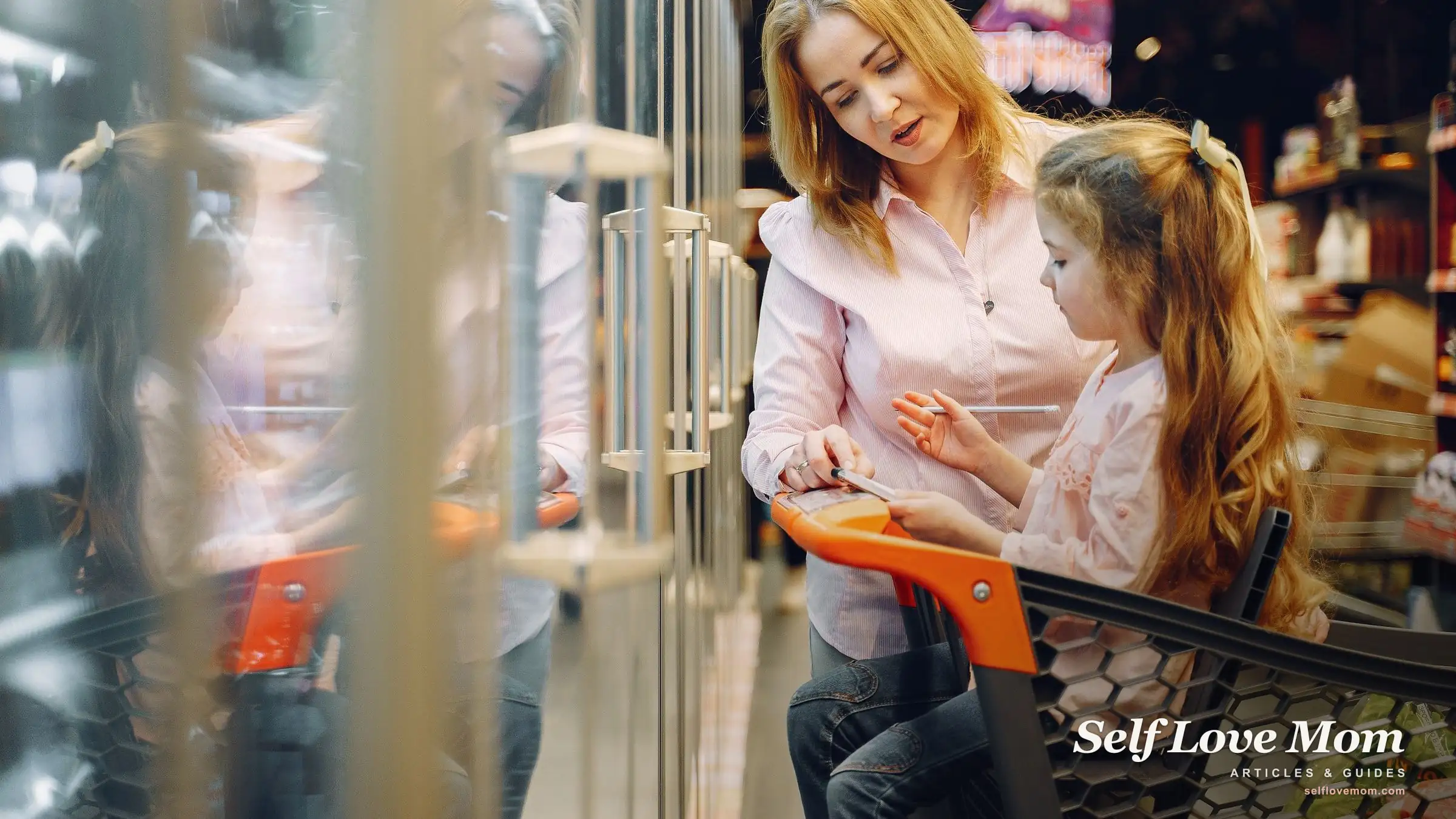
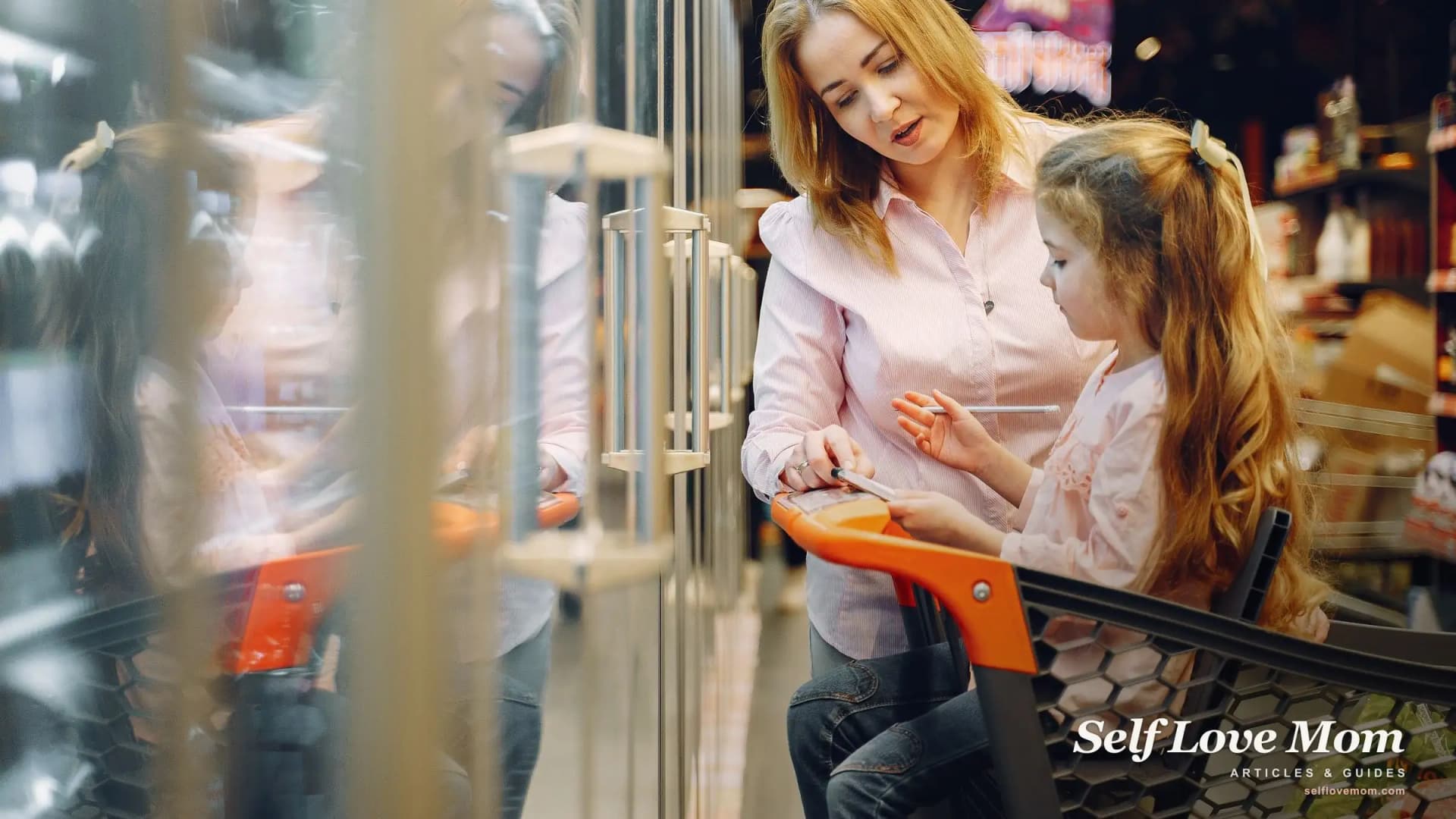
A single mom and her daughter check a list at the grocery store, the kind of trip a grocery budget app keeps on track.
Groceries are one of the biggest, most unpredictable bills a single mom carries, and they keep climbing. In 2026, the USDA projects food-at-home prices will rise another 3.2% (USDA ERS, Food Price Outlook, May 2026). On one income, that is the difference between a calm checkout and a stressful one.
A grocery budget app puts that spending back under your control: plan the trip, see the total before the register, catch deals, and stop the slow leak of impulse buys. This guide ranks ten of the best for single moms, what each is built for, and how to pick one. For the budget those groceries sit inside, start with our budget for a single mom guide.
| App | Best for | Cost |
|---|---|---|
| AnyList | Shared lists and meal planning | Free + paid |
| Listonic | Smart auto-sorting grocery lists | Free + paid |
| Out of Milk | Simple list-first shopping | Free |
| Flipp | Weekly flyers and coupons | Free |
| Shop Calc | Adding up the cart as you shop | Free |
| GroceryBudget | A grocery-only spending plan | Free + paid |
| Asper | Tracking food spend over time | Free + paid |
| EveryDollar | Whole budget with a grocery line | Free + paid |
| Goodbudget | Envelope budgeting for shared homes | Free + paid |
| YNAB | Hands-on whole-budget control | Paid |
The short version
If you want one free app today, start with a list tool like Out of Milk or Listonic, then add Flipp to catch sales. Want a dedicated grocery spending plan? Try GroceryBudget or Asper. Already run a full budget? Keep groceries as a line inside EveryDollar, Goodbudget, or YNAB. The best app is the one you will actually open before you shop.
Why do single moms need a grocery budget app?
Because groceries are a big, moving target with no fixed price tag. The USDA's May 2026 food plans put one adult's groceries at about $252 to $336 a month, before a single child is added (USDA, Cost of Food at Home, May 2026). Feeding two kids easily pushes a single mom past $700 a month.
An app turns guessing into a plan. It shows your running total before checkout, flags when you are near your limit, and remembers what things cost, so a $90 trip does not quietly become $140. On one income, that visibility is the whole game.
It also saves time, which is its own kind of money. Build the list once, sync it with whoever shops, and skip the mid-aisle math. To see where groceries fit beside rent, gas, and savings, pair this with our guide to budgeting methods for moms.
What should you look for in a grocery budget app?
Look for the features that match how you actually shop, not the longest feature list. The best grocery app for a single mom is fast to open, easy to update at the shelf, and honest about your total. Everything else is a bonus.
- A running total or price estimate, so you know the damage before the register
- Grocery lists that sync across phones for whoever is shopping
- Deal and coupon access built in, so savings need no extra work
- A spending limit you can set and get warned about
- Meal planning or pantry tracking to cut waste and repeat buys
- A free tier that does enough before you ever pay
Be honest about effort, too. Some apps want a quick list; others track every receipt. Pick the level of work you will keep up with, because the fanciest app does nothing if you stop using it by week two.
Which apps are best for lists and meal planning?
For most single moms, a smart list is where the savings start, since a planned trip beats an impulse one almost every time. Three apps own this job. AnyList, Listonic, and Out of Milk turn a scribbled list into a synced, organized plan.
AnyList is the meal-planning powerhouse: recipe storage, lists that build themselves from meals, and easy sharing with a co-parent or older kids. Listonic auto-sorts your list by aisle so you move faster and double back less. Out of Milk keeps it simple and free, with a pantry list so you stop rebuying what is already home.
These are list-first tools, not full budgets, and that is the point. Plan the trip, shop the plan, and the budget takes care of itself. Tally the cart as you go with the free Shop Calc, a no-frills calculator that keeps your total honest before you reach the register.

Which apps save you the most at checkout?
The biggest quick wins come from deals and cashback, and one free app leads here. Flipp pulls every local store's weekly flyer and coupons into one place, so you can match your list to whatever is on sale that week and even price-match at the register.
Stack cashback on top. Apps like Ibotta, Fetch, and Rakuten pay you back for groceries you were buying anyway, usually by scanning a receipt or linking a loyalty card. None of it is life-changing alone, but a few dollars a trip adds up to real money across a year of shopping.
One caution: a deal you would not have bought is not a saving, it is a spend. Use sale apps to lower the cost of what is already on your list, not to fill the cart with extras. For more money wins beyond the grocery aisle, see our financial tips for single moms.

Which apps double as a full grocery budget planner?
If you want the app to own the spending, not just the list, a few go deeper. GroceryBudget and Asper are built around food spending specifically, letting you set a monthly grocery cap and watch it fall in real time as you log each trip.
Prefer to keep groceries inside your whole budget? EveryDollar, Goodbudget, and YNAB all treat groceries as one category in a bigger plan. EveryDollar uses simple zero-based budgeting, Goodbudget uses digital envelopes that suit shared households, and YNAB is the most hands-on of the three.
Those last three are really full budgeting tools that happen to handle groceries well. If a whole-budget app is what you actually need, compare them properly in our guide to the best budget apps for single moms, then keep groceries as one line inside it.
How do you actually use a grocery app to spend less?
An app only saves money if you work it in the same order every trip. The habit matters more than the brand. Set the limit, plan before you leave, shop the deals, watch the total, and review at month end.
- Set a monthly grocery limit your budget can actually afford
- Build the list from meals before you leave the house, never in the aisle
- Check Flipp and your cashback apps for what is on sale that week
- Watch the running total as you shop and stop at your limit
- Review last month's spend and adjust the limit up or down
Do not aim for perfect. Aim for visible. Even just seeing the total climb in real time changes what lands in the cart, and that awareness is most of the savings. To put the grocery line into a bigger plan, use our financial planning roadmap for single mothers.
Free or paid: which grocery app should a single mom pick?
Start free, almost always. The free tiers of Out of Milk, Listonic, Flipp, and Shop Calc cover what most single moms need: a synced list, sale alerts, and a running total. Only pay once an app has already saved you money and a premium feature would clearly save more.
Match the app to your goal. Want a faster, cheaper shopping trip? A list plus Flipp is enough. Want to control food spending as a number? Use GroceryBudget or Asper. Want one app for your entire budget? Pick a full budgeting tool and let groceries live inside it.
Whatever you choose, the rule is the same: the best grocery budget app is the one you will open before you shop, week after week. Earning a little more helps too, so see how to make money as a single mom for flexible income ideas.
Frequently asked questions
What is the best free grocery budget app?
For a free all-rounder, Out of Milk (lists and pantry) paired with Flipp (sales and coupons) covers most single moms without paying a cent. If you want auto-sorted lists, Listonic's free tier is excellent. Add the free Shop Calc to tally your cart as you shop, and you have a full free setup.
What app helps you save the most money on groceries?
Flipp tends to deliver the biggest grocery savings, because it surfaces every local store's weekly deals and coupons in one place for price-matching. Stack a cashback app like Ibotta or Fetch on top for a few extra dollars per trip. The savings come from buying what is already on your list, only cheaper.
Is there an app that tracks grocery spending automatically?
Yes. GroceryBudget and Asper are built to track food spending against a monthly cap, while full budgeting apps like EveryDollar, Goodbudget, and YNAB track groceries as one category in your overall plan. Most need you to log trips or scan receipts, so pick the level of effort you will keep up with.
How do single moms save money on groceries?
The biggest wins are planning trips around a list, shopping weekly sales through an app like Flipp, and watching a running total so impulse buys do not sneak in. Setting a monthly grocery limit and reviewing it keeps spending honest. With food-at-home prices rising 3.2% in 2026, a simple app routine protects your budget.
Do grocery budget apps really work?
They work when you use them before and during the trip, not after. Just seeing your total climb in real time changes what goes in the cart, which is where most of the savings come from. The app is only a tool; the habit of planning and tracking each week is what actually lowers the bill.
Sources
- U.S. Department of Agriculture, Economic Research Service, "Food Price Outlook, Summary Findings" (food-at-home prices predicted to rise 3.2% in 2026), retrieved 2026-06-20, ers.usda.gov
- U.S. Department of Agriculture, "USDA Food Plans: Cost of Food at Home, May 2026" (monthly grocery cost per person), retrieved 2026-06-20, fns.usda.gov
✻ Share this article
✻ About the contributor · Folio N°.176

Written by Subha
Psychologist and writer covering the topics that matter most to single moms, money, mental health, and the small daily rituals that keep a family running. Every article is research-backed and edited four times before publish.
- Articles
- 176
- Desks
- 05
- Edited
- 4×
More from this writer
✻ Edited four times before publish