20 Easy Outdoor Activities for Toddlers (Ages 1 to 3)
Toddlers aged 1 to 2 need about 180 minutes of active play a day. Here are 20 easy outdoor activities, most free and quick to set up, that single moms can run.

 Click to zoom
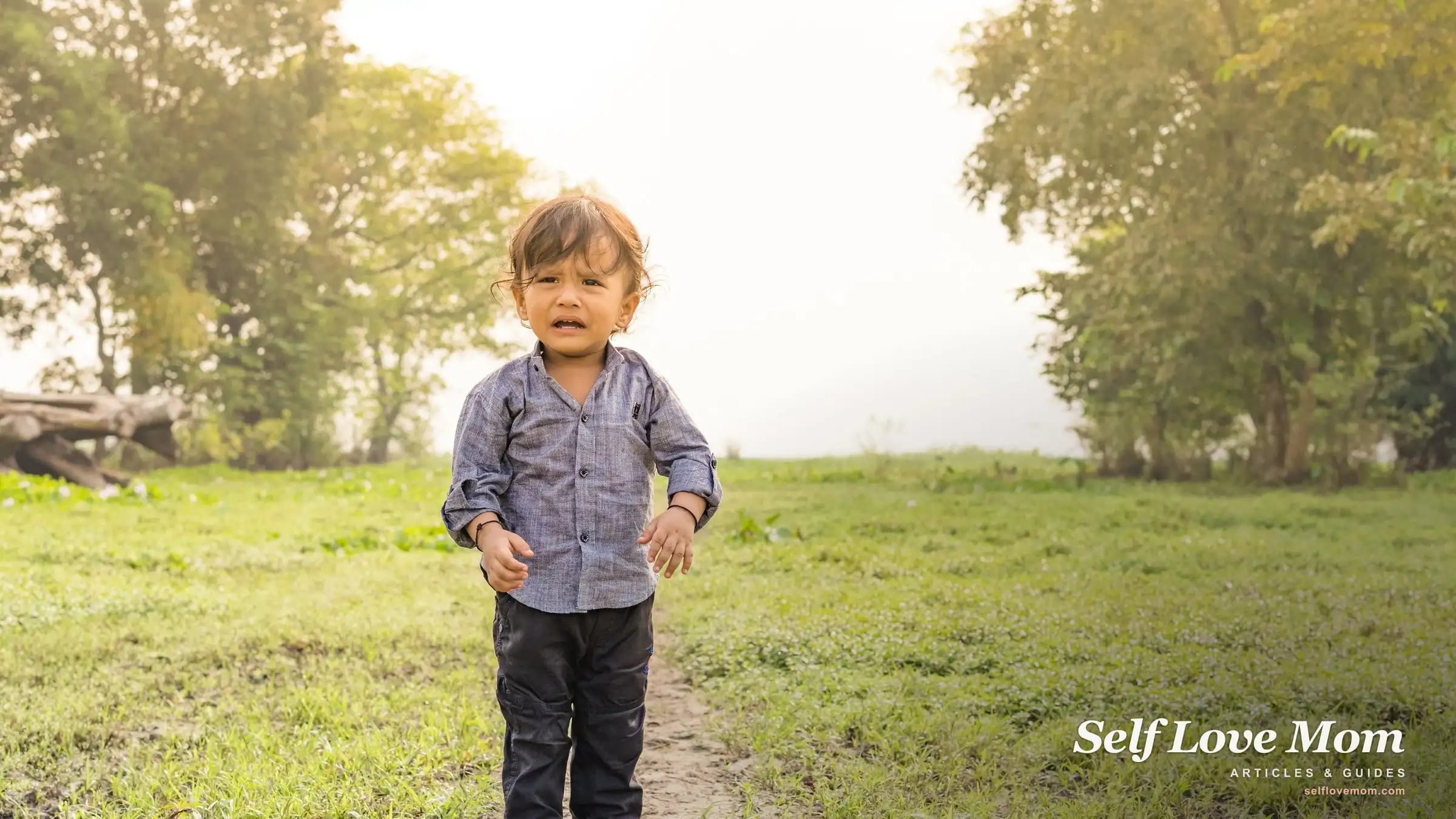
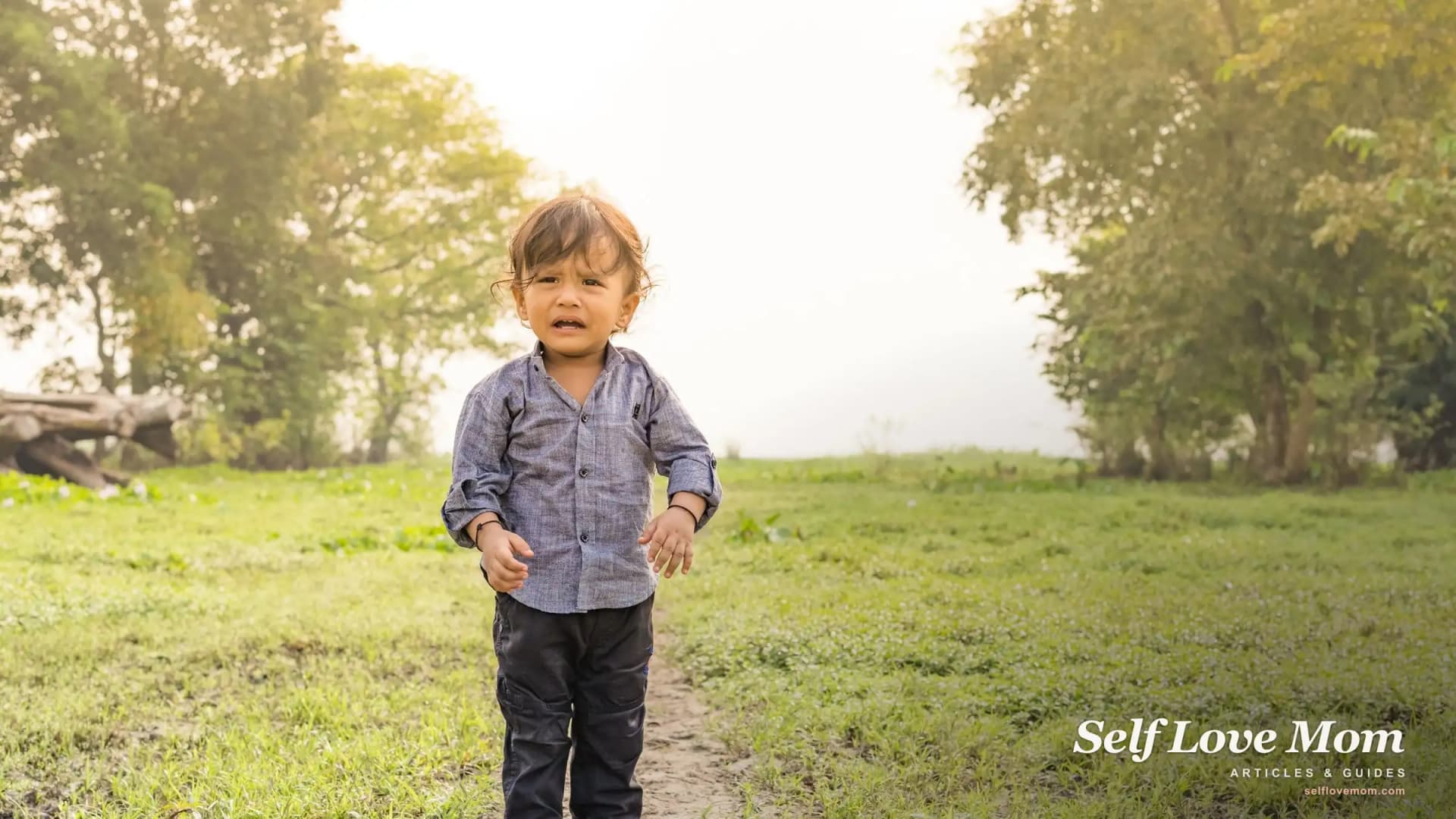
A toddler in a blue shirt stands smiling in a sunlit grassy field.
Toddlers run on a different kind of fuel. They wake up with a full tank of energy and no off switch, and when you are parenting solo, burning that energy off matters as much for your sanity as for their development. Outdoor play is the simplest answer, and the best activities for ages one to three cost nothing and need almost no setup.
This guide pulls together 20 easy outdoor activities for toddlers, grouped by what they build: big muscles, senses, water fun, and the seasons. If your child is older, our outdoor activities for preschoolers picks up at age three.
| Active play needed daily | Activities in this guide | Setup cost |
|---|---|---|
| 180 min recommended for ages 1 to 2 (WHO) |
20 sorted by skill, ages 1 to 3 |
$0 most use what you own |
The short version
Toddlers aged one to two need about 180 minutes of physical activity a day, spread throughout the day. Outdoor play is the easiest way to get there. The 20 activities below cover gross motor games, sensory play, water fun, and simple seasonal ideas. Nearly all are free, take seconds to set up, and work in a backyard or a nearby patch of grass.
Why do outdoor activities matter for toddlers?
Outdoor play drives almost every part of toddler development at once. The World Health Organization recommends that children aged one to two get at least 180 minutes of physical activity a day, spread across the day (World Health Organization, 2019). For a one to three year old, that movement is how they learn to walk, climb, and trust their own bodies.
The payoff is bigger than tired legs at naptime. The American Academy of Pediatrics says outdoor play builds curiosity, focus, and motor skills, and lowers stress for kids and parents alike (HealthyChildren.org, AAP). Time outside also supports healthy eyesight as children grow (Lingham et al., Scientific Reports 2021).
You do not need a plan or a single dollar. For a solo parent, that is the whole appeal. Open the door, follow your toddler, and the development takes care of itself.
What are the best gross motor outdoor activities for toddlers?
Gross motor play builds the big muscles toddlers use to walk, run, and climb, and it is the fastest way to spend that 180 minutes of daily movement. At one to three, the goal is simple, repeatable motion, not skill. These five need no equipment beyond what is already in your home or yard.

- Chase and run. The simplest game there is. Run slow, let them catch you, swap roles. Pure cardio and giggles.
- Ball play. Roll, kick, and toss a soft ball. Catching comes later; right now it is all about big movement.
- Push and pull toys. A wagon, a toy lawnmower, or a laundry basket. Pushing builds leg strength and balance.
- Low climbing. A curb, a log, or a couple of cushions. Supervised climbing develops coordination and confidence.
- Balance line. Draw a chalk line or lay a plank flat. Walking it teaches balance one wobbly step at a time.
What sensory outdoor play works for toddlers?
Sensory play is how toddlers make sense of the world, and the outdoors is the richest sensory room there is. Touching mud, sand, and grass builds the brain connections behind language and problem solving. These activities are messy on purpose, and the cleanup is worth it.

- Mud kitchen. An old pot, a spoon, and a patch of dirt. Stirring mud "soup" is sensory gold for little hands.
- Sand play. A box, a bucket, and a scoop. Digging and pouring builds fine motor control and focus.
- Nature texture hunt. Collect a smooth stone, a rough leaf, a soft petal. Name each texture as they touch it.
- Grass and bare feet. Let them walk barefoot on grass. The simple sensation grounds and calms busy toddlers.
- Outdoor finger painting. Tape paper to a fence and let them go. Outside, the mess just hoses away.
What outdoor water activities are good for toddlers?
Water play is a toddler favorite that quietly teaches cause and effect, pouring, and coordination. It also buys you a long stretch of happy, focused play on a warm day. Always stay within arm's reach, since toddlers can get into trouble in even shallow water.

- Sprinkler run. Turn on a low sprinkler and let them dash through. Movement plus squeals of delight.
- Watering cans. Hand over a small can and let them "water" the plants, the path, anything. Endlessly satisfying.
- Cup pouring station. A basin and a few cups. Pouring water back and forth builds coordination and patience.
- Sponge squeeze. Big sponges in a bucket. Soaking and squeezing strengthens little hands.
- Toy car wash. Soapy water and a rag to scrub the trike or ride-on toy. Scrubbing builds arm strength and a proud sense of purpose.
What outdoor activities suit each season for toddlers?
Toddlers can play outside all year with the right layers. Each season brings its own free sensory experience, from crunchy leaves to soft snow. The trick is dressing for the weather and keeping outings short when it is very hot or cold.
- Summer. Shade play, water tables, and bubble chasing in the cooler morning hours.
- Fall. Jump in a leaf pile, collect acorns, and stomp through crunchy paths.
- Winter. A bundled-up walk, scooping snow into a bucket, or spotting birds from the porch.
- Spring. Splash in puddles, pick dandelions, and watch worms after the rain.
- All year. The same short walk to the corner and back, daily. Toddlers love ritual and notice everything that changed overnight.
Rainy day keeping you in? Our indoor activities for toddlers and fun things to do at home keep the energy moving until the weather clears.
How do single moms make outdoor time work with a toddler?
You do not need to find 180 minutes in one go. The guideline is spread across the whole day, so a few short outings count fully. Ten minutes after breakfast, a stroll before lunch, and water play before dinner is a full day of movement without a single block of free time.
Keep it low effort so it actually happens. A bin by the door with a ball, bubbles, and a bucket means going out takes seconds. Follow your toddler's lead instead of running an agenda. To target one skill at a time, our gross motor activities for toddlers go deeper on movement, and the single mom resources hub gathers more help in one place.
- Pick one activity from each group to keep the week varied.
- Keep a grab-and-go bin by the door: ball, bubbles, bucket.
- Aim for short outings, ten to fifteen minutes, several times a day.
- Stay within arm's reach for any water play.
- Follow your toddler's lead. Their curiosity sets the pace.
The bottom line
Outdoor play is the rare thing that helps your toddler and helps you at the same time. It costs nothing, needs no skill, and turns restless energy into real development. You are not doing it wrong by keeping it simple.
Pick one idea from this list and head out today, even for ten minutes. Your toddler will not notice if the plan is loose. They will only notice that you came outside with them.
Frequently Asked Questions
How much outdoor play does a toddler need each day?
The World Health Organization recommends children aged one to two get at least 180 minutes of physical activity daily, spread throughout the day. Outdoor play is the easiest way to reach it. The time does not need to be continuous, so several short outings across the day add up to the full amount.
What are good outdoor activities for a 1 year old?
One year olds do best with simple sensory and movement play. Think barefoot time on grass, pouring water between cups, pushing a toy, and touching safe natural textures like leaves and smooth stones. Keep activities short and stay close, since new walkers tire quickly and explore everything by mouth.
Is it safe for toddlers to play outside every day?
Yes, daily outdoor play is recommended and healthy. Dress your toddler for the weather, use shade and sun protection in summer, keep outings short in extreme heat or cold, and stay within arm's reach near any water. With those basics covered, getting outside every day is one of the best things for a toddler.
What outdoor activities need no equipment or money?
Most toddler favorites are free. Chase games, walking on grass, puddle stomping, leaf piles, texture hunts, and "watering" with an old cup need nothing you do not already have. A backyard, a sidewalk, or a nearby park is all the equipment required for a full afternoon of play.
How do I keep a toddler entertained outside by myself?
Keep it short, simple, and toddler-led. A grab-and-go bin by the door removes the setup, and following your child's interest holds their attention longer than any plan you make. Stack outings onto things you already do, like a few minutes of play on the walk to the car, so it fits a busy solo day.
Sources
- World Health Organization, "To grow up healthy, children need to sit less and play more" (2019, retrieved 2026-07-21). Ages 1 to 4 need at least 180 minutes of physical activity a day, spread throughout the day.
- American Academy of Pediatrics, "Playing Outside: Why It's Important for Kids" (retrieved 2026-07-21). Outdoor play promotes curiosity, creativity, focus, and motor development, and time in nature lowers stress.
- Lingham et al., "Time spent outdoors in childhood is associated with reduced risk of myopia as an adult," Scientific Reports (2021, via PMC/NCBI, retrieved 2026-07-21). More childhood time outdoors was associated with lower adult myopia risk.
✻ Share this article
✻ About the contributor · Folio N°.180

Written by Subha
Psychologist and writer covering the topics that matter most to single moms, money, mental health, and the small daily rituals that keep a family running. Every article is research-backed and edited four times before publish.
- Articles
- 180
- Desks
- 05
- Edited
- 4×
More from this writer
✻ Edited four times before publish