Dating After Divorce: What Works, What Fails, and What to Avoid
There is no correct waiting period. What the research on dating after divorce actually shows, including the 4.18 year half-life of attachment to an ex.

 Click to zoom
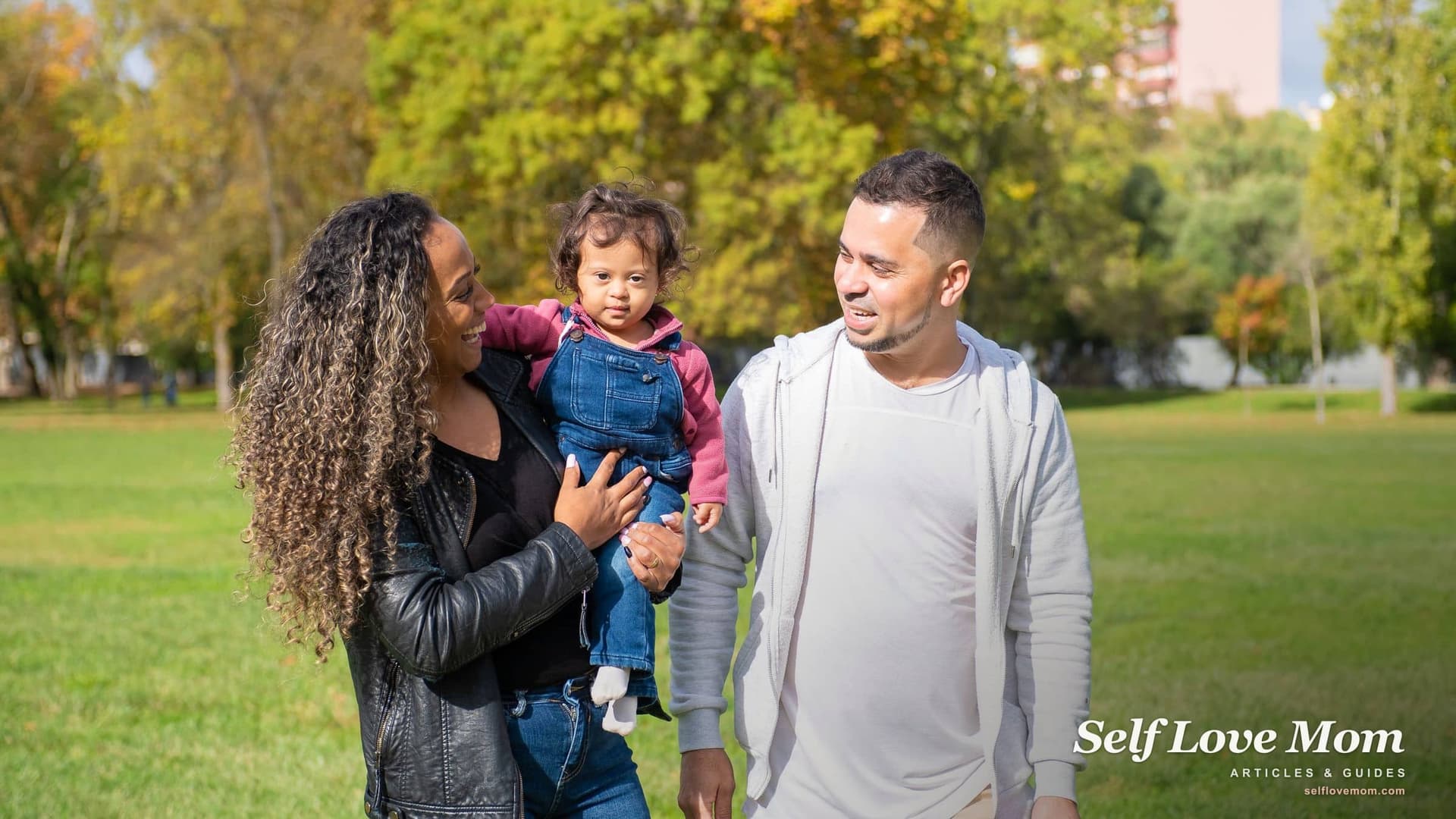
A woman smiling at a dinner date as her partner serves pasta, the low-pressure reality of dating after divorce.
The hardest part of a divorce is rarely the paperwork. It is working out who you are without the marriage, and dating after divorce forces that question before you feel ready to answer it.
This guide gives you what the research actually says, including the part that will annoy you: there is no timeline. What there is instead is a set of honest questions, and one study that puts a number on how long an ex keeps occupying space in your head.
| Divorced adults who go on to remarry | Ever-married Americans whose first marriage ended in divorce | Mid-point of attachment to an ex fading |
|---|---|---|
| 66% | 1 in 3 | 4.18 yrs |
The short version
There is no correct waiting period, and anyone selling you one is guessing. Readiness is about your emotional state, not the calendar. The most useful test is whether you are dating to connect or to escape. And 66% of divorced adults have gone on to remarry, so the rush you feel is not coming from the odds.
How long after divorce should you wait to date?
There is no research-backed number for this, and you should be suspicious of any article that gives you one. The common advice to wait six months or a year is a convention, not a finding. It is not wrong so much as unearned.
The better question is not how long you should wait. It is what you would be bringing to a new relationship right now. If the honest answer is anger at your ex, fear of the empty house, or a need to prove something to someone who is no longer watching, none of those is a foundation. They are also not character flaws. They are just poor reasons to start.
One practical caveat that has nothing to do with feelings: in some states, dating before the divorce is final can affect the settlement, particularly alimony. If proceedings are still open, ask your attorney before you start, not after.
How long does it take to get over an ex?
Longer than anyone tells you, and this is the one place a number genuinely exists. A 2025 study from the University of Illinois asked how attachment to a former partner changes over time, measuring it against how people feel about a stranger.
The mid-point was 4.18 years. That is not how long it takes to get over someone. It is the halfway mark. As the authors put it, former partners gradually become someone you used to know, and the full arc runs considerably longer than the four-year figure suggests.
Two honest caveats about that study, because they matter. It looked at breakups in general rather than divorce specifically, so a marriage with children and a shared decade may not behave identically. And 4.18 years is the half-life of the typical bond, not a deadline. The pace varied widely from person to person, and for people who stayed in regular contact with an ex, the attachment sometimes never fully faded.
Read it as permission rather than a sentence. If your ex still takes up room in your head three years on, you are not broken and you are not behind. You are close to typical.
What are the signs you are ready to date again?
Being ready does not mean having no feelings left about your ex. It means those feelings no longer make your decisions for you. That distinction is the whole thing.
- You can tell the story without rage or tears. Not because you are over it, but because it has stopped being the only story you have.
- You are curious about a person, not about being chosen. Interest in someone specific is different from wanting proof you are still wantable.
- You have a life that works without a partner in it. Not a great one, necessarily. A functioning one.
- You are not checking whether your ex will find out. If the audience for your date is your ex, the date is still about the marriage.
And the other direction, which is worth being honest with yourself about. Wait if every date becomes a comparison, if you are hoping someone will make the hurt stop, or if the thought of an empty weekend is doing the deciding.
How do you actually start dating after divorce?
Slowly, cheaply, and with low stakes. The most common mistake in dating after divorce is treating the first attempt as a referendum on whether you are still desirable, which loads a coffee with more weight than a coffee can carry. Online, the screening happens before the coffee: the single mom dating profile tips cover the photo and bio line that filter well.
Start with short daytime meetings. They cost less, they end cleanly, and if you have kids they do not eat an evening you did not have. Tell someone where you are going. Do not reactivate the version of yourself you were at 24, because she was solving a different problem.

Expect the first few to be strange. You are out of practice at being the person being asked about, and that is a skill like any other. Our guide to single motherhood and dating covers the wider picture. The best dating sites for single moms compares where to actually look.
What changes when you have kids?
Dating after divorce with kids means the timeline stops being only yours. Children absorb the cost of every arrival and departure, so the fewer people who pass through the house, the better, and that is an argument for slowness that has nothing to do with your readiness.

Keep the two things apart for longer than feels natural. Nobody needs a first name until it is likely to be a lasting one, and no introduction should happen before the relationship has survived a disagreement and a boring stretch. When it does happen, make it short, public, and unceremonious.
The other half of this is the co-parent. You are not obliged to seek permission, but a child who is managing a secret is doing your work for you. Our guide to co-parenting after separation covers keeping that channel functional.
What is different about dating after divorce in your 40s or 50s?
Mostly that everyone arrives carrying something, and that turns out to be an advantage. Nobody in this bracket is a blank slate. The people worth your time have their own history, their own kids, and their own reasons for being careful, which makes the whole thing less of a performance.
The practical differences are real though. Schedules are harder to move, money is more entangled, and both of you may have children whose needs outrank the relationship. That is not romance dying, it is just what dating looks like when two adults have actual lives attached.
The upside nobody mentions: you are much better at this than you were at 25. You know what you cannot live with, you can spot a pattern in three dates rather than three years, and you are far less likely to talk yourself into someone. That is not consolation. That is a genuine skill you did not have last time.
What sets people back?
Mostly speed, in both directions. Dating after divorce goes wrong at the extremes rather than the middle. Rushing in and refusing to start are the same avoidance wearing different clothes.

- Auditioning replacements. Looking for a version of what you had is how you end up with the same marriage and a different name.
- Litigating the divorce on dates. The story is allowed. Two hours of it on a first meeting means the divorce came along.
- Merging fast. Money, keys, and kids on an accelerated schedule is the single most expensive mistake available here.
- Waiting to feel ready. Readiness is not a feeling that arrives. At some point it is a decision you make while still slightly unsure.
If the heaviness has not shifted in months rather than weeks, that is worth naming rather than dating around. Our guide to healing from a divorce covers recovery, and therapy for moms covers what treatment costs and how to start.
Frequently Asked Questions
How soon is too soon to start dating after divorce?
There is no research-backed threshold, which means the honest answer is that it depends on what is driving it. The six-month and one-year rules are convention rather than evidence. If you are dating to feel something other than what you feel now, it is early regardless of the date on the decree.
How long does it take to get over an ex?
A 2025 University of Illinois study found the mid-point of attachment fading was 4.18 years, measured against how people feel about a stranger. That is the halfway mark rather than the finish, and it studied breakups generally rather than divorce specifically. If your ex still occupies room in your head after a few years, that is ordinary.
Is it normal to be scared of dating after divorce?
Yes, and it is a reasonable response rather than a symptom. You are being asked to re-enter the thing that most recently hurt you. Fear is only a problem when it is the one making the decisions, in either direction.
Should I tell my kids I am dating?
Not early, and not in detail. Children do not need a running commentary on your dating, and asking them to hold a secret is worse than either. The threshold for telling them is roughly the same as the threshold for introducing anyone: when it is likely to last.
Will I find someone again?
Most people do. About 66% of divorced adults go on to remarry, and the gender gap is small at 68% of men and 64% of women. That is not a promise about you specifically, but it does mean the pressure to hurry is not coming from the arithmetic.
Sources
- Hays, J., "8 facts about divorce in the United States," Pew Research Center (2025-10-16, retrieved 2026-07-17). 66% of divorced adults have remarried; 68% of divorced men vs 64% of divorced women. In 2023 one-third of ever-married Americans reported their first marriage ended in divorce, which Pew explicitly cautions does not mean a third of marriages end in divorce. The refined divorce rate fell from 22.6 per 1,000 married women in 1980 to 14.4 in 2023.
- Chong, J.Y., and Fraley, R.C., "The Long-Term Stability of Affective Bonds After Romantic Separation: Do Attachments Simply Fade Away?" Social Psychological and Personality Science 17(1):120-133 (2026, published online 2025-03-12), doi:10.1177/19485506251323624 (retrieved 2026-07-17). University of Illinois Urbana-Champaign. N=320 adults with a past relationship lasting over two years. Attachment bonds are relinquished gradually, with 4.18 years as the mid-point of the average trajectory. Studied romantic breakups generally, not divorce specifically.
✻ Share this article

✻ About the contributor · Folio N°.223

Written by Subha
Writer and researcher covering the topics that matter most to single moms, money, mental health, and the small daily rituals that keep a family running. Every article is research-backed and checked against official sources.
- Articles
- 223
- Desks
- 05
- Edited
- 4×
More from this writer
✻ Checked against official sources