How to Be a Good Mother (Without Being Perfect)
How to be a good mother is about consistency, not perfection. With 57% of parents reporting burnout, here are calm habits that actually help your kids.

 Click to zoom
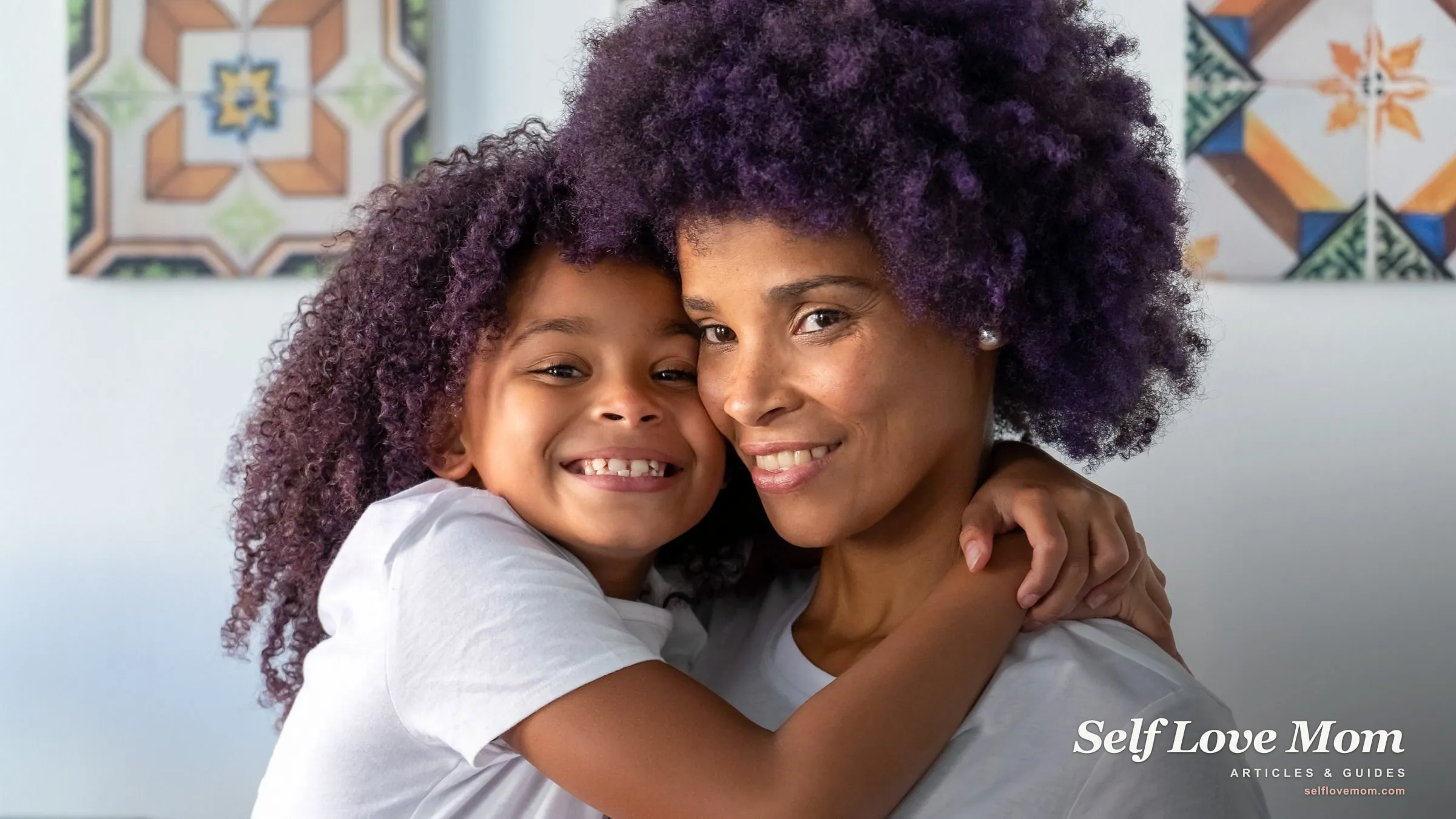
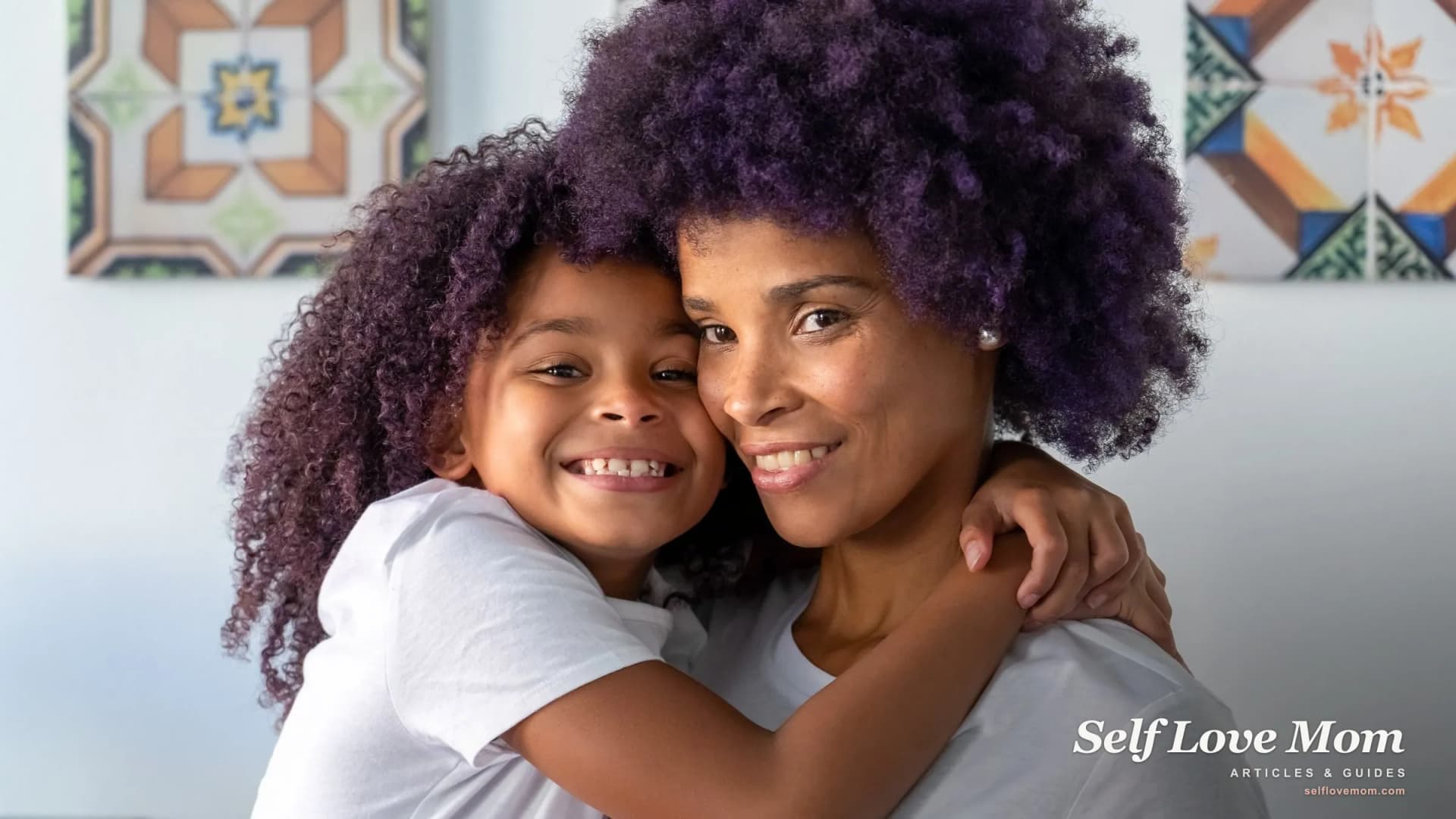
A smiling mother and her young child share a warm cheek-to-cheek hug at home.
If you have ever lain awake asking whether you are a good enough mother, that worry is itself a good sign. Good mothering is not about getting everything right. It is about showing up with warmth and consistency, repairing after the hard moments, and adjusting as your child grows.
This guide is written for real mothers, single moms very much included, doing this on limited time and energy. It covers what actually matters, the daily habits that help, and how to keep showing up without burning out. For the traits behind the habits, see our companion guide on the qualities of a good mother.
| What good mothering really takes | The number | Why it matters |
|---|---|---|
| Children with a secure attachment (population) | about 2 in 3 | Ordinary responsive care is enough |
| Parents who report burnout | 57% | Perfection pressure is the real enemy |
| US mother-only families | 7.3 million | Many moms do this solo |
| Single-mother families in poverty | 28% | Good mothering happens under real strain |
The short version
A good mother is consistent and warm, not perfect. Show up each day, repair after mistakes, set kind boundaries, and protect your own energy so you can keep showing up. For a single mom doing it solo, leaning on support is part of the job, not a failing. Since most children form secure bonds through ordinary, responsive care, good enough is genuinely good.
What actually makes a good mother?
Consistency, not perfection. About two-thirds of children form a secure attachment through ordinary, responsive care (NICE, children's attachment guideline), not through flawless parenting. A good mother shows up, says sorry when she gets it wrong, and adapts to the child in front of her. That bar is warmth and reliability, and most moms already clear it.
The pressure to be perfect is the real danger. In a 2024 study, 57% of parents reported burnout, much of it driven by impossible standards (Ohio State University). You are likely doing better than you think. A few quiet signs tell the truth:
- Your child comes to you when they are hurt or scared.
- You apologize after you lose your temper.
- There is laughter in your home most days.
- You end the day tired but quietly proud.
How can a single mom be a good mother on her own?
By giving warmth and structure, which matter far more than household size. There are 7.3 million mother-only families in the US (U.S. Census Bureau, 2023), and children in them thrive on stability and connection, not on having two adults. The honest challenge is doing it solo, so building support around you is part of good mothering, not a sign of failing at it.
With 28% of single-mother families living in poverty (Center for American Progress, 2023), strain is real, and you cannot pour from an empty cup. Lean on family, mom groups, your child's school, and any benefits you qualify for. Deciding the role itself is its own question, covered in our guide on how to be a stay-at-home mom.
What daily habits make you a better mother?
Small, repeated habits build the bond, far more than grand gestures. Children who feel they matter do better in school and life (Harvard Graduate School of Education), and that sense of mattering is built in ordinary daily moments. These habits are simple to name and worth practicing on purpose.
- Listen at their level: Stop, make eye contact, and reflect their words back so they feel heard.
- Keep loving routines: Predictable rhythms calm kids and are linked to better behavior (Selman, 2024). A steady morning routine is a good place to start.
- Model calm: Name your feelings out loud and take the breath you want them to take.
- Praise effort, not just results: "You worked hard on that" builds resilience more than "you're so smart."
- Set kind, firm boundaries: Explain the why, then follow through. Structure feels like safety.
- Encourage independence: Let them try, struggle, and learn. Your role shifts from doer to guide.

How do you take care of yourself so you can keep showing up?
You treat your own rest as part of the parenting, not a reward for finishing it. With 57% of parents reporting burnout (Ohio State University, 2024), a depleted mom cannot give what she does not have. Self-care here is not spa days. It is the small, regular refuel that keeps you patient and present.
- Protect a daily window: Even 15 minutes for coffee, a walk, or a book resets your patience.
- Drop the guilt: A rested mother is a kinder one. Build in real self-care for single moms that models healthy limits for your kids.
- Ask for help early: A mom group, a friend, or a professional. Support is strength, not weakness.
- Keep one thing that is yours: A hobby or quiet ritual that has nothing to do with mothering.

How should you handle hard days and tough behavior?
You treat bad behavior as information, not a personal attack. When a child melts down, they are struggling, not judging your mothering. Responding with calm and a clear, kind limit teaches them more than anger ever could. The repair after a rough moment is where the real bond is built.
- Pause before reacting: Ask what the behavior is telling you before you respond.
- Name it and limit it: "I see you're angry. I won't let you hit." Feelings are allowed; harm is not.
- Repair afterward: A hug and a calm talk teach that mistakes are survivable and love holds.
- Forgive yourself too: You will lose your temper sometimes. Repair, and try again tomorrow.
Daily habits of a good mother
- Show up with warmth and consistency, not perfection.
- Listen at your child's level and reflect their feelings back.
- Keep simple, loving routines the day can lean on.
- Model calm and name your own emotions out loud.
- Praise effort, and set kind, firm boundaries.
- Protect a daily window for yourself, guilt-free.
- Treat hard behavior as information, then repair after.
Frequently Asked Questions
What makes someone a good mother?
Warmth and consistency, not perfection. A good mother shows up daily, responds to her child's needs, repairs after mistakes, and sets kind boundaries. About two-thirds of children form a secure attachment through this kind of ordinary, responsive care (NICE), so the everyday effort matters far more than getting everything right.
Can a single mom be a good mother?
Absolutely. Children thrive on warmth and stability, not on household size. There are 7.3 million mother-only families in the US (Census Bureau, 2023), and many raise secure, happy kids. The key is building support around you, family, friends, mom groups, and any benefits you qualify for, so you can keep showing up with patience.
How can I be a good mom when I am exhausted or burned out?
Start by treating rest as part of parenting, not a reward. With 57% of parents reporting burnout (Ohio State University, 2024), depletion is common and fixable. Protect a small daily window for yourself, drop the guilt, and ask for help early. A rested mother is a more patient, present one.
How do I know if I am a good mother?
Look for quiet signs, not perfection. Your child comes to you when hurt, you apologize after losing your temper, there is laughter most days, and you end the day tired but proud. If any of these feel familiar, you are already doing the core work of good mothering.
How can I become a better mother?
Pick one habit and practice it daily. Listen at your child's level, keep loving routines, model calm, praise effort, and set kind boundaries. Consistent routines alone are linked to better behavior in children (Selman, 2024). Small, repeated habits compound into a strong bond far more than occasional big gestures.
- NICE, "Children's attachment: attachment in children and young people," via NIH NCBI Bookshelf. ncbi.nlm.nih.gov (retrieved 2026-06-25)
- Ohio State University College of Nursing, "Pressure to be perfect causing parental burnout," 2024. nursing.osu.edu (retrieved 2026-06-25)
- U.S. Census Bureau, "National Single Parent Day," one-parent households, 2023. census.gov (retrieved 2026-06-25)
- Center for American Progress, "The Economic Status of Single Mothers," 2024 (2023 data). americanprogress.org (retrieved 2026-06-25)
- Selman, S. B., et al., "Routines and child development: A systematic review," Journal of Family Theory & Review, 2024. onlinelibrary.wiley.com (retrieved 2026-06-25)
- Harvard Graduate School of Education, "When kids feel they matter, they do better in life," 2025. gse.harvard.edu (retrieved 2026-06-25)
✻ Share this article
✻ About the contributor · Folio N°.180

Written by Subha
Psychologist and writer covering the topics that matter most to single moms, money, mental health, and the small daily rituals that keep a family running. Every article is research-backed and edited four times before publish.
- Articles
- 180
- Desks
- 05
- Edited
- 4×
More from this writer
✻ Edited four times before publish