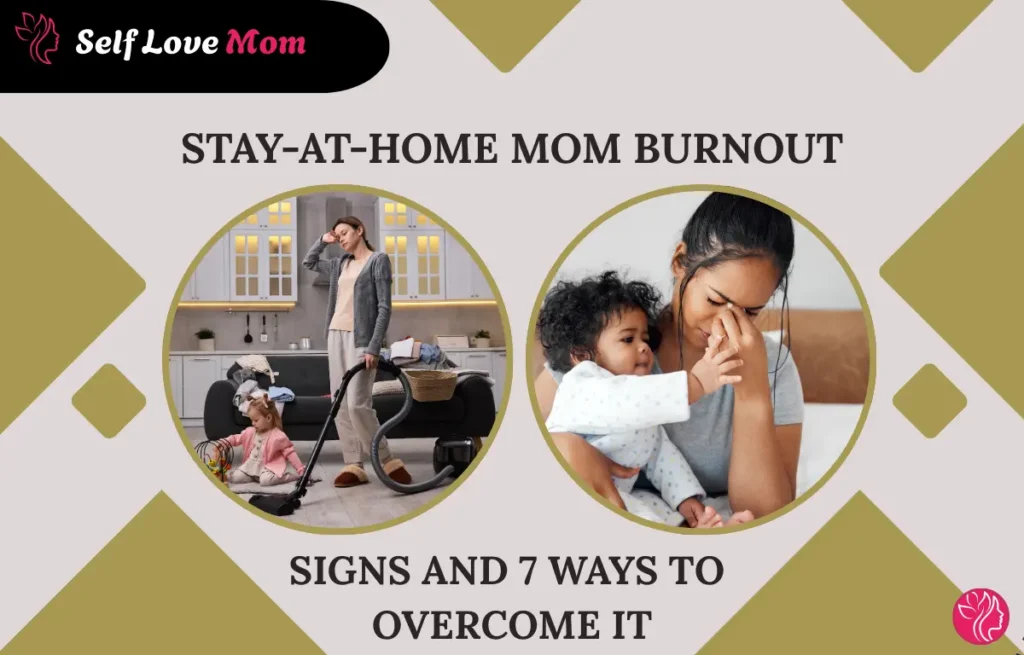

Momming is so much a rewarding experience, right? But have you ever had a time when you are totally exhausted, emotionally stressed, or lost in everything around you?
As a stay-at-home mom, you would probably understand what I am talking about. It can be so easy to be swept away in the daily rat race of caring, cleaning, and preparation of to-do lists, and all of a sudden, you find you are operating on empty.
Do you ever ask yourself, Is it just mom fatigue you feel, or is it something? But what if it is stay at home mom burnout? And, above all, how are you going to take care of yourself when it seems that there is no time left for you?
If these questions sound common to you, you are not alone. Today, in this post, we will look at stay at home mom burnout, how to recognize when you are burned out, and how to recover from mom burnout to feel more like yourself again.
Let’s dive in and explore how a stay at home mom burnout can affect you and how to resolve it easily.
What is Stay at Home Mom Burnout?
Stay at home mom burnout involves constant fatigue combined with very high levels of stress every single day. Many people refer to it as depleted mom syndrome when discussing maternal health concerns. It occurs when family responsibilities exceed what you can manage effectively on your own.
Stay at home moms experience this more often than working moms. Their everyday tasks receive little recognition or appreciation from society. Struggling being a single mom can profoundly affect your physical health and emotional well-being. Moreover, it goes beyond a temporary bad mood or a tiring day. As a result, this condition persists and makes regular life much more difficult for burnout and stressed moms.
Why SAHMs Are More Prone to Burnout
1. The Work Never Ends
Being a stay-at-home mom is 24/7, unlike a normal job where the workday ends at a specific hour. Meals will have to be prepared, cooked, and washed. Also, children require protection, emotional attention, education, and entertainment. Home jobs like laundry and shopping take up your hours without any end.
Without steady rest, your energy declines significantly over days and weeks. As a result, this endless need causes stay at home mom exhaustion in big ways that affect health.
2. Invisible Labor and Mental Load
In addition to the apparent tasks, there is mental work: coordinating schedules, monitoring children’s needs, planning what to do next, at the emotional, physical, and logistical levels. This invisible labour does not come with breaks and recognition and result in stay at home mom burnout.
Sometimes, it seems that you are in service, even during your rest. Studies of mental load reveal that women bear these organizational and emotional burdens in families in disproportionate numbers.
3. Social Isolation and Lack of Adult Interaction
Stay at home mom struggles in daily life and usually spend many hours with their children and has very little contact with other adults. This isolation can enhance this loneliness, disconnection, and undervaluation.
4. Loss of Identity and Purpose Outside Caregiving
Your personal identity may fade beyond motherhood roles as time passes slowly. Before children, you enjoyed careers or hobbies without any limitations or restrictions. Now, all your time is focused on family care and their daily needs. Consequently, this major shift causes stay at home mom problems like feeling hollow inside your soul.
5. Lack of External Recognition or Reward
Society undervalues unpaid caregiving work in many real and tangible ways. People see it as not a genuine job in the traditional sense. This perception creates self-doubt and builds up guilt over time. When fatigue sets in, negative thoughts increase, stay at home mom mental health problems risks are considerably higher.
Stay at Home Mom Burnout Signs
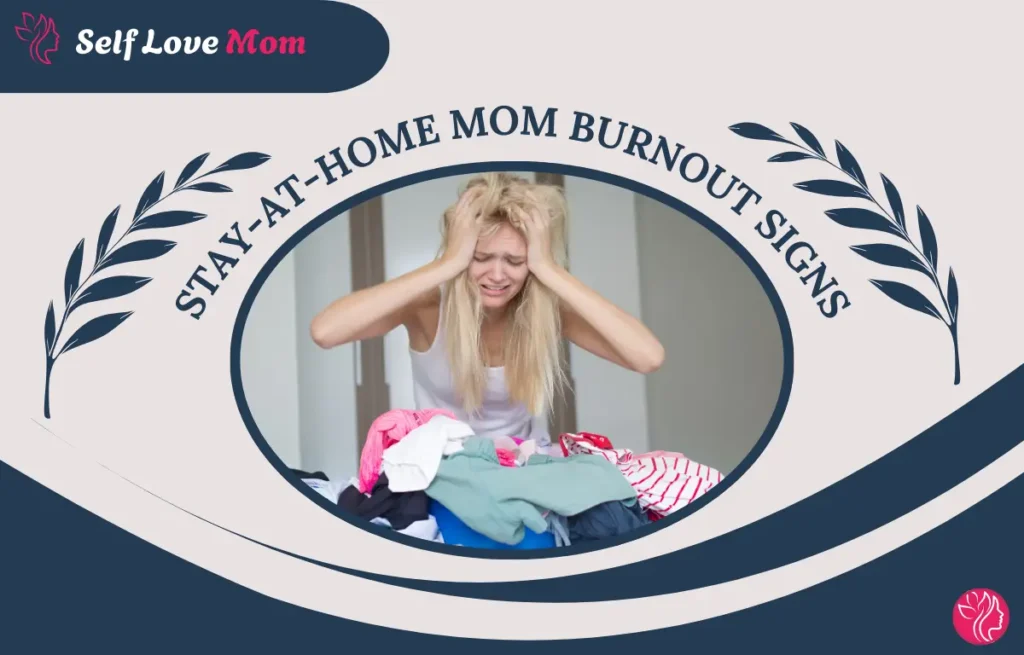
Here are some typical stay at home mom burnout signs that you may experience:
1. Physical and Mental Exhaustion
- Chronic fatigue: physical fatigue even after rest or sleep.
- Problem sleeping, sleeping restlessness, or insomnia.
- Mental fatigue or brain fog: lack of concentration, forgetfulness, and being devastated by even simple tasks.
- Frequent illness or decreased immunity, which can be due to stress draining the immune system.
2. Emotional & Psychological Signs
- The loss of pleasure or enjoyment in things or actions that were previously important feels draining.
- Feeling depressed and apathetic to children or partner, sometimes even numbness or mere performance.
- Guilt-conscious, vulnerable, or even believing I am not doing my best, I must work harder, or I feel guilty because I am tired or need to take a break.
- Emotional sensitivity or irrational moodiness, a minor provocation may lead to severe responses (mom rage).
3. Relational or Behavioral Effects
- Social withdrawal, denial of peer company, or adult talk.
- Absence of pleasure in pastime or self-care that was previously a source of pleasure.
- Feeling trapped or stuck, believing life “revolves only around chores and children” with no space for personal time or self.
If these stay at home mom burnout symptoms remain for weeks, get expert help right away. With the help of therapy, you can work on feelings, learn coping skills, and redefine yourself without caregiving.
7 Ways to Overcome Stay At Home Mom Burnout
You can overcome stay at home mom burnout through consistent efforts starting today. Apply these methods to recover from mom burnout without waiting any longer. They restore your vitality and joyful emotions gradually over the coming weeks.
1. Reach Out for Support
Isolation deepens stay at home mom burnout. Connecting with a partner, friend, family member, or fellow mom can make a difference. Get friends who empathize with you and talk about your emotions. Also, seek childcare or household assistance, and divide the work when you can. Even simple pauses, a cup of hot tea, a walk, or several minutes of silence will help to rest the energy.
Where appropriate, look at the online parent support groups or community mom meetups. Remember, being able to release your thoughts, communicate, and be heard can ease loneliness and make you feel noticed.
2. Set Realistic Expectations and Boundaries
Stay at home mom burnout occurs when you try to live up to impossible perfectionist expectations in cooking, cleaning, parenting, and home management. Try to adjust your expectations: “good enough” is often more than enough. Let go of the pressure to have everything be perfect. Also, delegate or simplify tasks. When possible, let chores wait, or accept help. As a result, this will relieve the psychological burden and lower the stress.
Boundaries are important; also, establish limited periods of personal time each day, even 10-15 minutes to rest, enjoy hobbies, or practice basic self-care. Protect that time the same way you would a meeting or appointment at work.
3. Build a Routine
Set up your daily routine with times for each thing. Add in time for food, fun, and rest for everyone, and include small breaks just for you. Days with structured plans reduce stress and help with avoiding stay at home mom burnout a lot. Caring for yourself gets easier this way, and your mind resets and reduces feelings of overwhelm. You can structure your day with this stay-at-home mom schedule.
4. Prioritize Basic Self-Care
It is simple to neglect your needs when you are taking care of a family. However, simple things, such as restful sleep, a good diet, drinking water, and even physical activities, play a role in brain fitness. These help in energy conservation and also reduce stress and contribute to emotional stability.
Even walking, a stretch, or mindful breathing might help to relieve stay at home mom anxiety and improve the mood.
5. Practice Mindfulness, Stress-Relief Techniques
Incorporate some minor stress relievers into your day-to-day life: write in a journal, take some deep breaths, meditate, or have some quiet thoughts. These practices will help you reconnect with yourself, navigate emotions, and lighten your mental load. A couple of minutes can count and help a tired stay at home mom.
6. Get Professional Advice When Necessary
When the stay at home mom burnout symptoms (exhaustion, detachment, depression, or anxiety) are not getting better over time, it can be a good idea to meet with a mental-health provider. Counseling can help you get over emotions, develop coping skills, and build a new self beyond caring, and also help you to understand the sahm burnout stages. You can easily add a short therapy session to your daily life through online therapy apps such as BetterHelp and Talkspace.
Remember, therapy is not a shameful fact, but rather a healthy and even necessary process. Sometimes, we require someone to help us have a clear picture of what is happening and what to do next.
7. Reconnect With Your Identity
Being a stay-at-home mom does not imply that you need to forget yourself. Re-engage in the things or part of yourself that once satisfied you in the past – hobbies, creative arts, minor personal ambitions. Celebrate over little achievements: a peaceful sleep, a nutritious meal, an activity completed, a silent tea.
Realize that motherhood is not an easy task and that your love and care do count. Give credit to your strength and value. Remind yourself, though no one else does: you are doing good work and you ought to be well, get rest, and respect yourself.
If you’re looking for professional help, this guide, How to Find the Best Therapist for Moms, might be helpful.
Stay at Home Mom Burnout: Why It’s More Than Stress
Some may dismiss these feelings as “normal” or “just a phase.” But stay at home mom burnout, especially when prolonged, is more than stress: it can evolve into deeper mental health challenges. The term Depleted Mother Syndrome is sometimes used to describe how chronic caregiving strain can deplete a mother’s emotional and psychological resources.
Meanwhile, persistent stay at home mom burnout and isolation increase the risk of longer‑term conditions like anxiety, depression, or what some refer to as Postpartum Depression (though burnout can affect moms well beyond the newborn stage).
It’s important to realize that being a “stay-at-home mom” may seem like a quieter life from the outside, but for many, the emotional and physical burden is heavy and constant.
Supporting Stay At Home Moms: What Others Can Do

Helping stay at home moms isn’t just a personal concern. The community, friends, family, and partners are very important. Here’s how they can help during stay at home mom burnout:
- Recognize and appreciate the efforts. Rather than believing it is easier or less stressful than a job, understand that parenting full-time and being a homemaker is invisible work and exceptionally emotional work.
- Offer tangible help. Divide household tasks, childcare, or errands. Even simple things such as cooking, cleaning, or minding the kids for an hour would create space to rest.
- Promote time-off and self-care. Encourage moms to take breaks, have a nap, or enjoy a non-guilty time alone.
- Promote social support. Promote social networks with fellow parents and support groups or internet networks. A sense of being understood and heard can help.
- Respect mental health needs. Realize that parenting can be overwhelming, anxious, or sad, and those are feelings that should not be ignored.
Final Thoughts on Stay at Home Mom Burnout
If you are reading this and thinking, “Yes, that feels like me,” keep in mind that you do not have to cope with stay at home mom burnout on your own. Amazingly, regardless of your status as a full-time SAHM or a working parent with numerous obligations, the quality of your mental health matters.
You must be assisted, have a rest, acknowledged, and care about yourself. Not only are you expected to survive, but to be completely whole and satisfied.
If you can, share this with other moms who may be silently struggling. Talk to your partner about sharing the load. Don’t hesitate to reach out for help, join a mom group, or simply take a moment to prioritize yourself.
Because being a mom doesn’t mean you have to be a martyr. It means being human with strengths, limits, needs, and a right to care, compassion, and dignity.